Home /News /pd charger /What is UFCS Protocol? Complete Guide for Charger Manufacturers & Users 2026 /
What is UFCS Protocol? Complete Guide for Charger Manufacturers & Users 2026
author: Nina
2026-05-11
What is UFCS Protocol? Complete Guide for Charger Manufacturers & Users 2026
If you’re a charger manufacturer, brand owner, or consumer tired of incompatible fast charging standards, you’ve likely heard of UFCS Protocol — China’s game-changing universal fast charging specification. In this comprehensive guide, we break down what UFCS is, how it works, its key benefits for charger factories, and why it’s becoming a global standard for fast charging technology. Perfect for anyone looking to understand UFCS, optimize charger products, or tap into the booming universal fast charging market.
What is UFCS Protocol? (Definition & Core Purpose)
UFCS stands for Universal Fast Charging Specification — a unified national fast charging standard developed in China, led by the Ministry of Industry and Information Technology (MIIT). It is jointly created by top smartphone brands (Huawei, Honor, OPPO, vivo, Xiaomi), power chip manufacturers, and charger factories to solve the long-standing pain point of incompatible private fast charging protocols.
Unlike proprietary fast charging standards (e.g., Huawei SCP, OPPO VOOC) that only work with specific brands, UFCS is a cross-brand, cross-device, interoperable fast charging protocol. Its core purpose is to create a "universal charging language" — allowing one charger to deliver full-speed fast charging for all smartphones, tablets, laptops, and digital devices, regardless of brand.
For charger manufacturers, understanding UFCS is critical: it simplifies product development, expands market reach, and aligns with global trends toward standardization and sustainability.
Key Benefits of UFCS Protocol (For Charger Factories & Users)
1. Breaks Brand Barriers (Critical for Charger Manufacturers)
One of the biggest challenges for charger factories is adapting to dozens of private fast charging protocols. With UFCS, manufacturers no longer need to develop separate products for each brand. A single UFCS-compatible charger can automatically match the optimal fast charging power for Huawei, Honor, OPPO, vivo, Xiaomi, Apple, and other devices — reducing R&D costs and shortening production cycles.
2. One Charger for All (Reduces Waste, Boosts Sustainability)
UFCS enables "one charger, multiple devices" — a major selling point for consumers and a driver of sustainability. A multi-port UFCS charger can power a smartphone, tablet, laptop, and wireless earbuds simultaneously, eliminating the need for multiple adapters. This reduces electronic waste, aligns with global low-carbon initiatives, and makes UFCS-compatible chargers more attractive to eco-conscious buyers.
3. Unified Safety Standards (Lower Risk for Manufacturers)
UFCS includes built-in safety mechanisms, including over-voltage protection, over-current protection, overheating protection, short-circuit protection, and reverse current prevention. These standardized safety features reduce the risk of product defects, recalls, and liability for charger factories — ensuring compliance with global safety regulations (CE, FCC, UKCA, ETL).
4. Supports High-Power Fast Charging (Future-Proof)
UFCS supports adaptive voltage regulation from 5W (low power) to 100W+ (high power), making it compatible with the latest smartphones and lightweight laptops. For charger factories, this means UFCS-compatible products can adapt to future fast charging upgrades —increasing product longevity and market competitiveness.
UFCS vs. PD vs. QC: What’s the Difference? (SEO Key Comparison)
Many charger manufacturers and consumers confuse UFCS with other fast charging protocols. Here’s a clear comparison to help you understand why UFCS is the future:
-
PD (Power Delivery): A global public protocol with wide compatibility, but it only delivers slow charging for most Chinese smartphones (which rely on private protocols). Ideal for global devices but not optimized for domestic Chinese brands.
-
QC (Quick Charge): An older Qualcomm fast charging protocol, gradually being phased out due to limited compatibility and slower speeds compared to modern standards.
-
UFCS Protocol: China’s self-developed unified standard that combines the best of both worlds — it’s compatible with global public protocols (PD) and fully adapts to domestic private fast charging standards. For charger factories, this means one product fits both domestic and international markets.
Why UFCS Protocol Matters for Charger Manufacturers (2026 Guide)
As UFCS becomes the de facto standard for fast charging in China and gains global traction, it offers 4 key advantages for charger factories:
-
Product Standardization: Simplify R&D by using one UFCS solution instead of multiple private protocols — cut costs and speed up time-to-market.
-
Wider Market Reach: UFCS-compatible chargers work with all mainstream Chinese brands and global devices, expanding your customer base (brand clients, cross-border sellers, retailers).
-
Certification Advantage: UFCS certification (TAF, ITU) enhances your factory’s credibility, making it easier to win bids, partner with top brands, and enter international markets.
-
Future-Proofing: With major smartphone brands committing to UFCS, charger factories that adopt the protocol early will stay ahead of competitors and avoid obsolescence.
UFCS Protocol Certification for Charger Factories
To market UFCS-compatible chargers, charger factories need to obtain official certification: - TAF Certification: Domestic certification in China (issued by China Academy of Information and Communications Technology) — mandatory for selling in the Chinese market. - ITU Certification: International certification (ITU-T L.1004) — required for exporting to global markets, ensuring compliance with global fast charging standards. Charger factories that hold both certifications gain a competitive edge in both domestic and international markets.
Conclusion: UFCS is the Future of Fast Charging for Manufacturers
UFCS Protocol is more than just a fast charging standard — it’s a revolution in the charger industry. By unifying fast charging "language," it solves the biggest pain points for manufacturers (costly R&D, limited compatibility) and consumers (inconvenience, electronic waste). For charger factories looking to thrive in 2026 and beyond, adopting UFCS is not an option — it’s a necessity.
[Your Factory Name] is a leading charger manufacturer specializing in UFCS-compatible fast charging products. Our full range of 30W–120W GaN chargers are TAF & ITU certified, supporting UFCS, PD, QC, and other mainstream protocols. We offer custom development and OEM/ODM services for brand clients and cross-border sellers. Contact us today to start your UFCS fast charging journey.
45W Non-Standard Charger PPS Testing Specification Protocol Parameters ≠ Actual Output, Load Tester Measurement Is the Standard
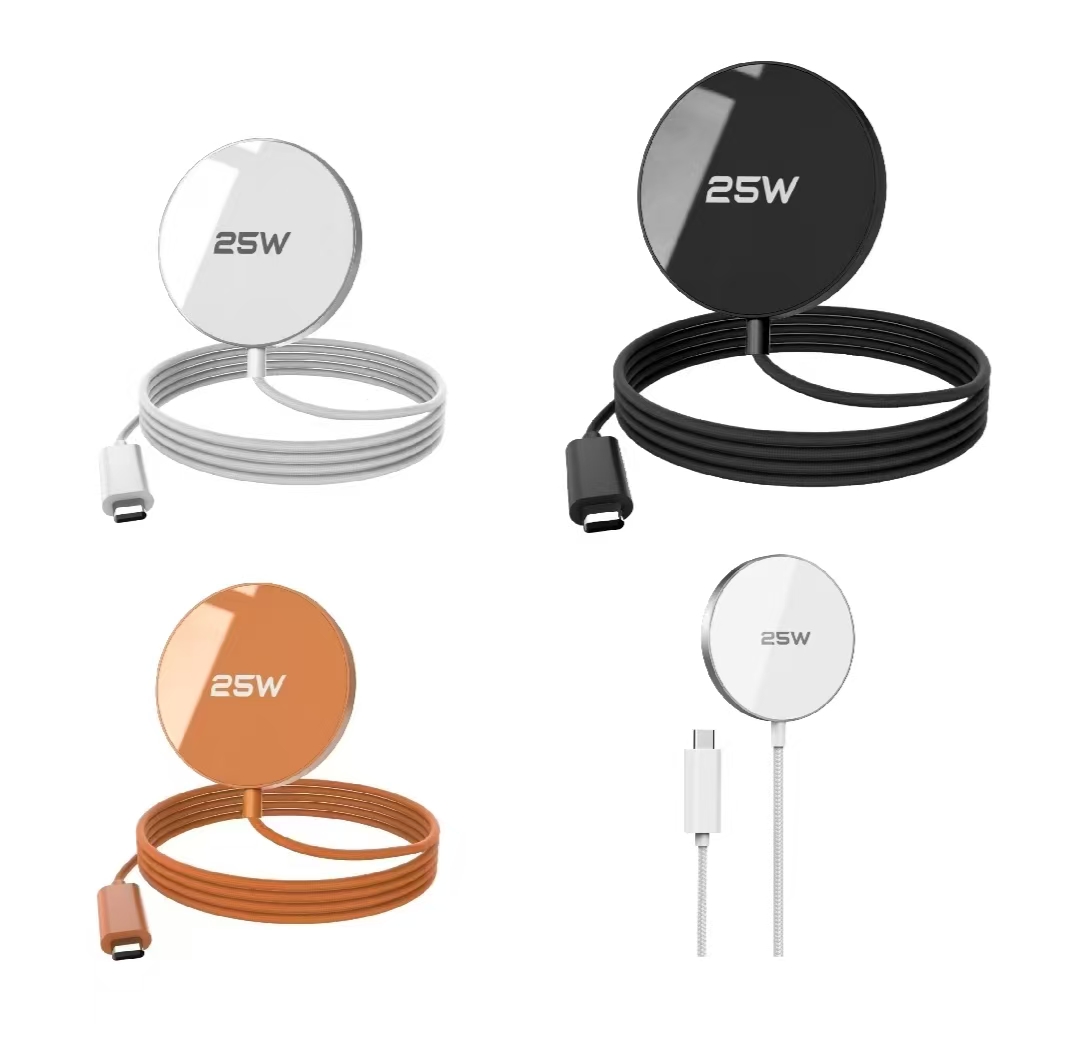
Dipinle Unveils 25W Qi2 Magnetic Wireless Charger
Related Article
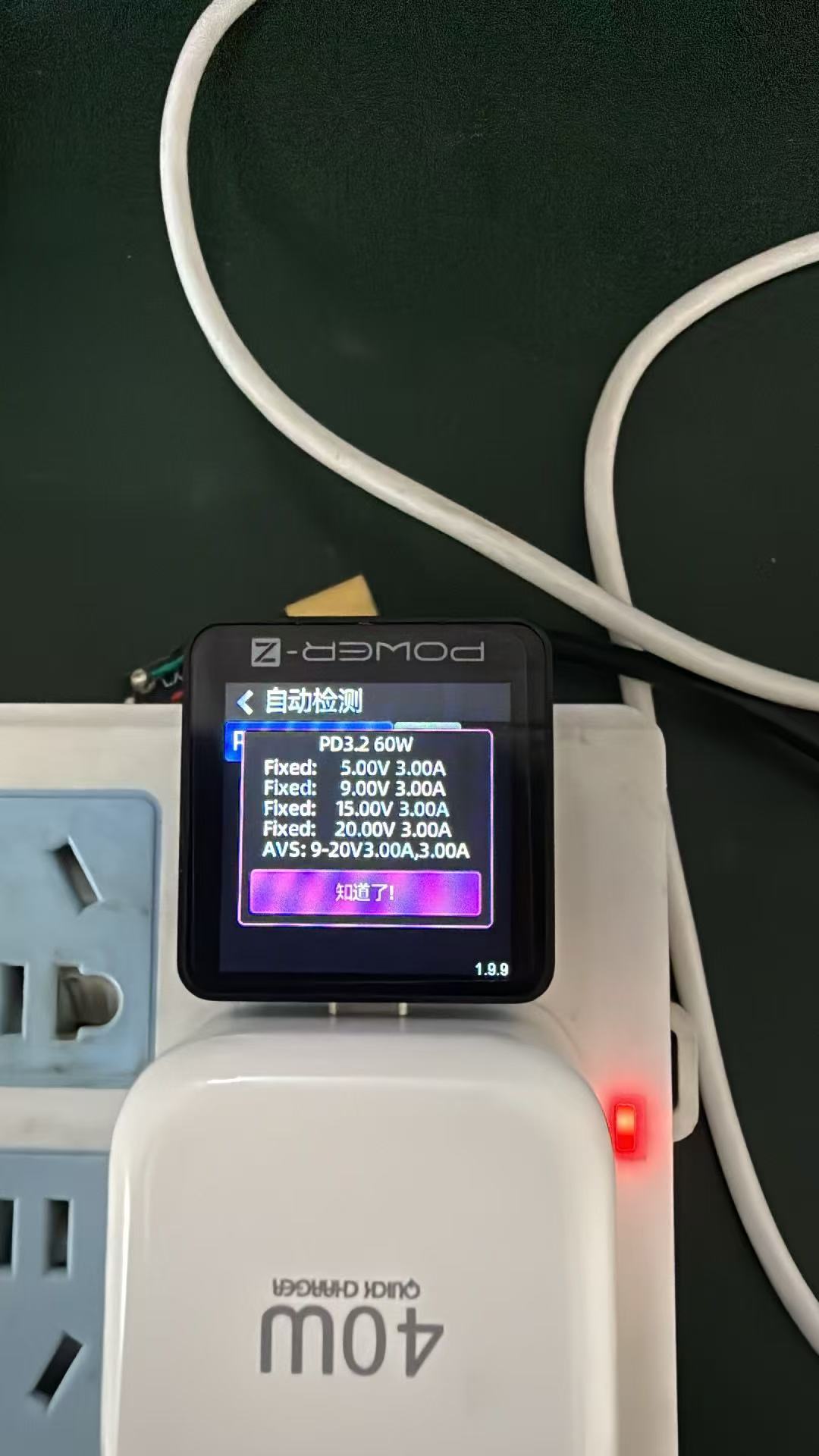
Difference Between AVS and PPS Fast Charging Protocols: B2B Selection & Consumer Usage Guide
Difference Between AVS and PPS Fast Charging Protocols: B2B Selection & Consumer Usage Guide
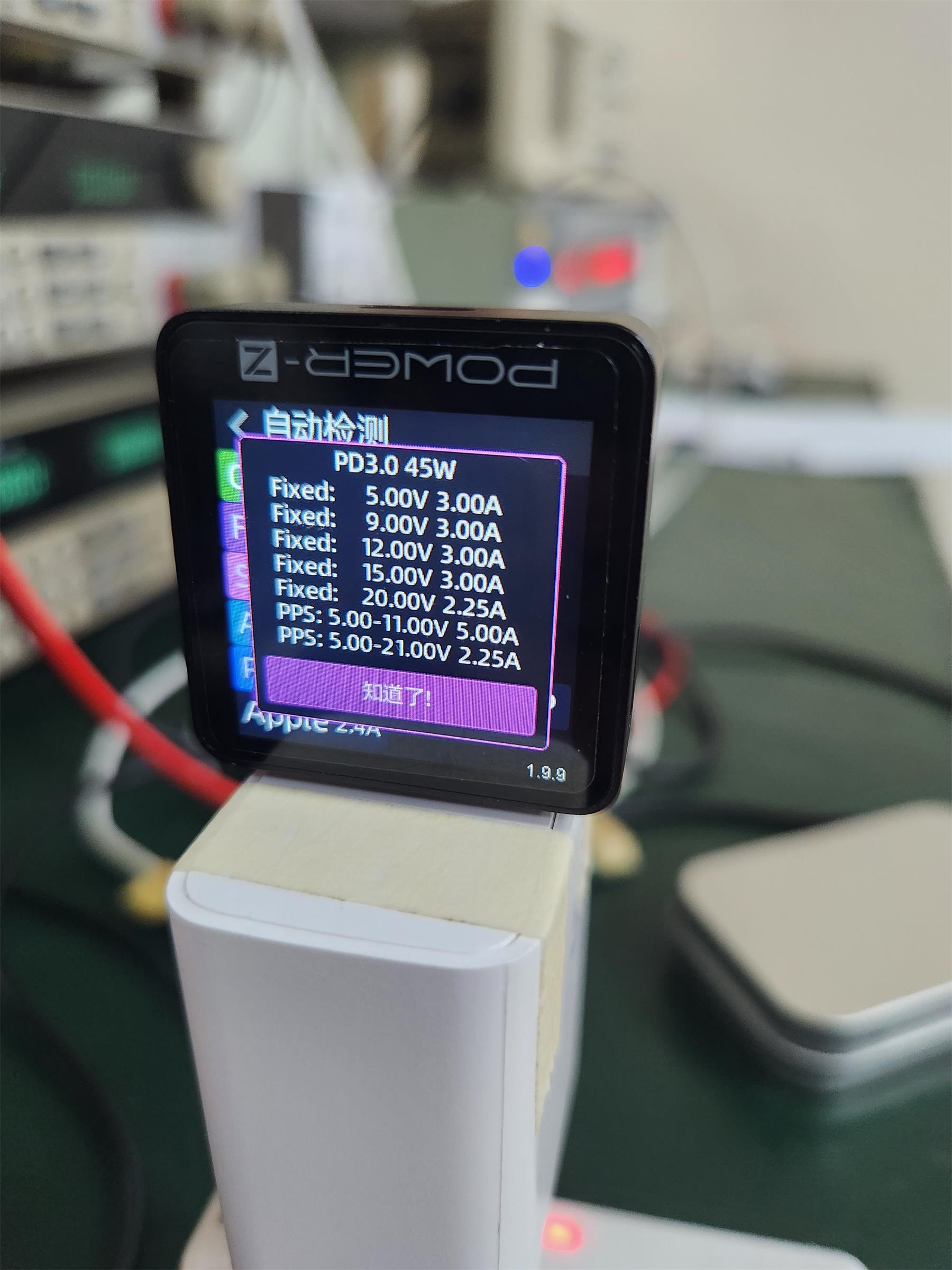
45W non-standard charger PPS protocol test guide: Protocol parameters are for reference only, load tester measurement is the only standard. Clarify the difference between PPS protocol and actual output of 127 model, core reasons and factory test standards, providing authoritative guidance for charger quality inspection and R&D.
45W Non-Standard Charger PPS Testing Specification Protocol Parameters ≠ Actual Output, Load Tester Measurement Is the Standard