Home /News /pd charger /Difference Between AVS and PPS Fast Charging Protocols: B2B Selection & Consumer Usage Guide /
Difference Between AVS and PPS Fast Charging Protocols: B2B Selection & Consumer Usage Guide
author: nina
2026-05-23
AVS vs pps
1. Preface
With the rapid iteration of USB PD fast charging technology, AVS and PPS have become two mainstream dynamic voltage adjustment fast charging protocols, widely applied in smartphones, tablets, digital accessories and other fast charging devices. Currently, most B2B purchasers, factory practitioners and end consumers cannot clearly distinguish the core differences between AVS and PPS protocols, often resulting in incorrect selection, poor device adaptation, abnormal fast charging power and charging failures. This article comprehensively compares AVS and PPS from five dimensions including protocol definition, compatible devices, pros and cons, B2B channel selection and consumer usage scenarios, providing professional and practical selection guidance for charger manufacturers, distributors and end users.
2. Core Definition: Essential Differences Between the Two Protocols
PPS (Programmable Power Supply) Protocol
PPS is a classic dynamic voltage adjustment fast charging protocol based on the USB PD 3.0 standard, officially incorporated into the USB-IF specification in 2017 and serving as the core protocol of the Android fast charging ecosystem. It supports a wide voltage adjustment range of 3.3V-21V with ultra-precise 20mV voltage steps and 50mA current steps. It conducts real-time handshake communication with terminal devices to match battery charging needs accurately, featuring high precision and frequent parameter adjustment for fast charging.
AVS (Adjustable Voltage Supply) Protocol
AVS is a new-generation upgraded fast charging protocol under USB PD 3.2 SPR, officially launched in 2024 with outstanding stability and compatibility. It covers a medium and high voltage range of 9V-20V with 100mV voltage steps. Simplifying the complex handshake logic of PPS, it optimizes continuous high-current output capability. As the core fast charging standard for Apple iPhone 17 series and subsequent new products, it is the mainstream protocol for new-generation high-precision digital devices.
3. Compatible Devices: Accurate Terminal Adaptation Range
3.1 PPS Compatible Devices
Deeply rooted in the Android fast charging ecosystem, PPS is the standard protocol for traditional Android flagship phones. It is mainly compatible with Samsung full-series smartphones, old Android flagship models, niche digital devices and portable small appliances. Optimized for low-voltage and high-current scenarios, it perfectly adapts to the traditional lithium battery direct charging logic and is widely used in 45W/65W non-standard fast chargers.
3.2 AVS Compatible Devices
As a new-generation full-scenario fast charging protocol, AVS is mainly adapted to iPhone 17 and subsequent full-series USB-C Apple devices, as well as new Android flagship phones, thin-and-light laptops and smart wearables. Optimized for stable medium and high voltage fast charging, it has become the standard configuration for 100W high-power GaN chargers and high-end multi-port fast charging adapters.
4. Pros & Cons Comparison: Core Advantages and Limitations
4.1 PPS Protocol Pros & Cons
Advantages: Ultra-high voltage regulation precision with 20mV fine steps perfectly fits real-time battery voltage, reducing heat generation in low-power charging and improving energy efficiency. With mature technology, wide compatibility and no authorization fees, it features low mass production cost and excellent adaptability to most old Android devices.
Disadvantages: Complex handshake logic and weak anti-interference ability with high requirements for cable quality and hardware load. It is prone to power drop, voltage sag and protection trigger in low-voltage high-current scenarios, leading to unstable charging and abnormal heating during long-term high-power output, and is incompatible with new Apple devices.
4.2 AVS Protocol Pros & Cons
Advantages: Simple communication logic, strong anti-interference ability and high fault tolerance with lower cable adaptation thresholds. It delivers extremely stable medium and high voltage output without obvious power cliff, sustaining full high-power output steadily without gear jumping or overheating during long-term charging. It supports full-scenario compatibility and greatly reduces after-sales failure rates.
Disadvantages: Lower voltage regulation precision than PPS, failing to achieve ultra-fine low-voltage trimming with slightly lower energy efficiency in low-current slow charging scenarios. As a new-generation protocol, it has poor compatibility with old low-end Android devices.
5. B2B Channel Selection Guide: Choose AVS or PPS for Merchants & Factories
For charger factories, cross-border merchants, offline wholesalers and brand OEM B2B clients, protocol selection directly determines product sales, after-sales rate and market adaptability. The core selection rules are as follows:
5.1 Prioritize PPS for B2B Scenarios
Suitable for cost-effective low-end markets, sinking channels and old device adaptation; applicable to 45W-65W non-standard fast chargers and single-port basic charging adapters. Ideal for businesses targeting old Android device users and spare charger demands, focusing on cost control and basic compatibility.
5.2 Prioritize AVS for B2B Scenarios
Suitable for high-end markets, cross-border e-commerce, premium channels and Apple adaptation markets; applicable to 100W high-power, multi-port GaN fast chargers and new device dedicated chargers. Perfect for products matching iPhone 17+, new Android flagships, laptops and other high-end devices, pursuing high stability, low after-sales risk and new model compatibility. Dual-protocol design (AVS+PPS) is recommended to enhance product competitiveness.
6. Consumer Usage Scenarios: Daily Fast Charging Selection Rules
6.1 PPS for End Users
Users with Samsung phones, old Android flagships and legacy digital devices can rely on PPS for daily fast charging. It fits battery operating conditions better, with lower heat generation during short-distance and low-power charging for a stable user experience.
6.2 AVS for End Users
Users with iPhone 17 series, new Android flagships and multi-device users of laptops benefit more from AVS. It maintains stable full-power fast charging without speed reduction or frequent gear jumping, ensuring safe long-term charging, low device temperature and reduced battery loss, ideal for high-frequency daily fast charging.
7. Conclusion
In summary, PPS focuses on precise low-voltage fast charging, legacy Android adaptation and cost-effective markets as a mature basic fast charging protocol; AVS features stable high-power output, full-scenario compatibility and new device adaptation, representing the future trend of the fast charging industry. For B2B manufacturers, dual-protocol compatibility (AVS+PPS) is the optimal solution, covering both legacy and new high-end device markets to expand product coverage and reduce after-sales risks. For end users, matching the correct protocol according to device models enables safer and more efficient charging experience.
45W Non-Standard Charger PPS Testing Specification Protocol Parameters ≠ Actual Output, Load Tester Measurement Is the Standard
Related Article
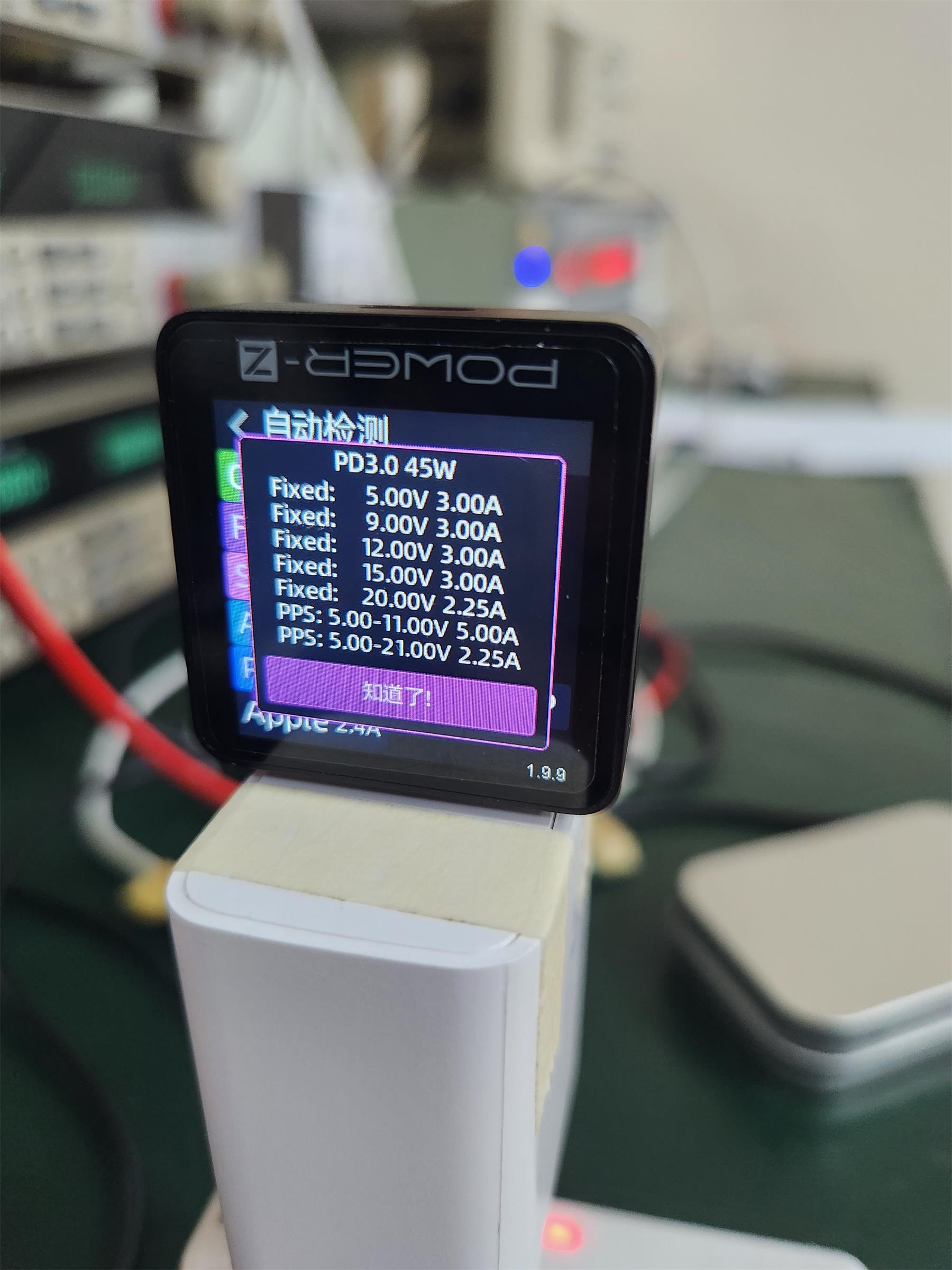
45W non-standard charger PPS protocol test guide: Protocol parameters are for reference only, load tester measurement is the only standard. Clarify the difference between PPS protocol and actual output of 127 model, core reasons and factory test standards, providing authoritative guidance for charger quality inspection and R&D.
45W Non-Standard Charger PPS Testing Specification Protocol Parameters ≠ Actual Output, Load Tester Measurement Is the Standard

This guide explains UFCS Protocol and UFCS Charger, highlighting their core value and benefits for charger manufacturers.
What is UFCS Protocol? Complete Guide for Charger Manufacturers & Users 2026