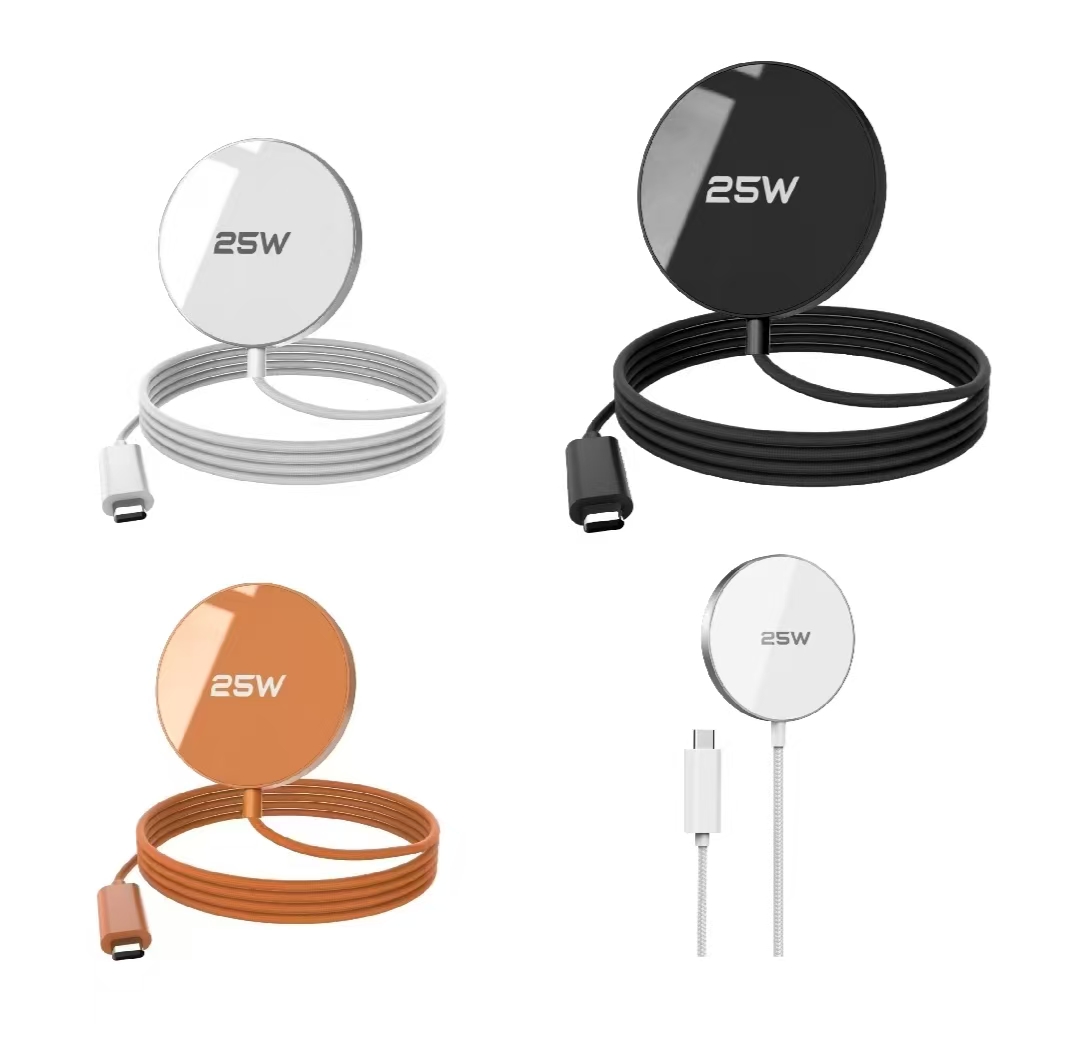
Dipinle Colorful Fast Charger Compatible with iPhone 14–17
author: Nina-dpl
2025-11-29
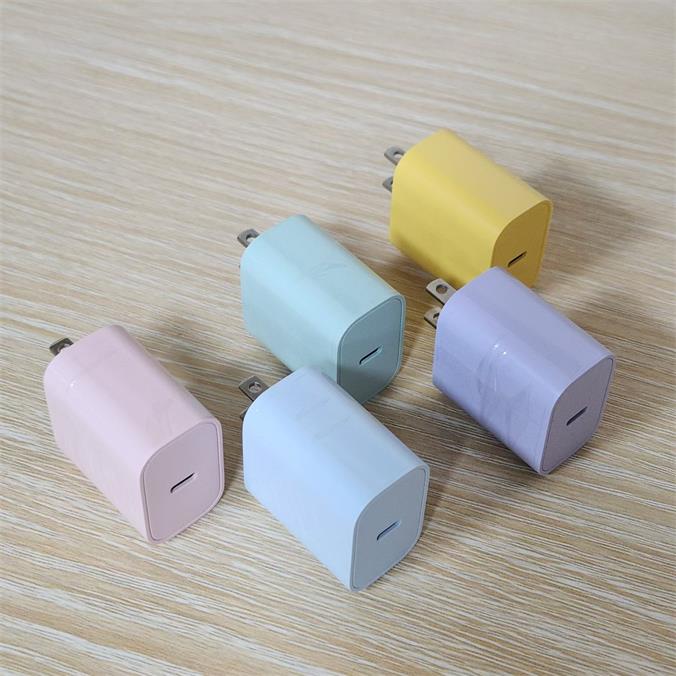
In recent years, driven by rising consumer purchasing power, the traditional charger category in consumer electronics has entered a new stage of growth. Compared with the previous black-and-white fast chargers that focused primarily on functionality, the new generation of young users is placing greater emphasis on a combination of “aesthetics + portability + safety,” making colorful mini fast chargers a major global trend.
In today’s fast-paced mobile lifestyle, consumers increasingly prefer lightweight, high-power, and compact products—especially 20W–30W mini chargers that balance both design appeal and fast-charging performanc also Apple color charger(40w-60w)) As fast-charging technology continues to spread across major smartphone brands such as the Apple 17 series, colorful fast-charging products have seen rapid growth in markets including North America, Europe, and Southeast Asia. Designs such as “pocket-size,” “lipstick-style,” and “pastel macaron colors” have gone viral on social media thanks to their visually appealing, shareable look, becoming a key driver of category growth.
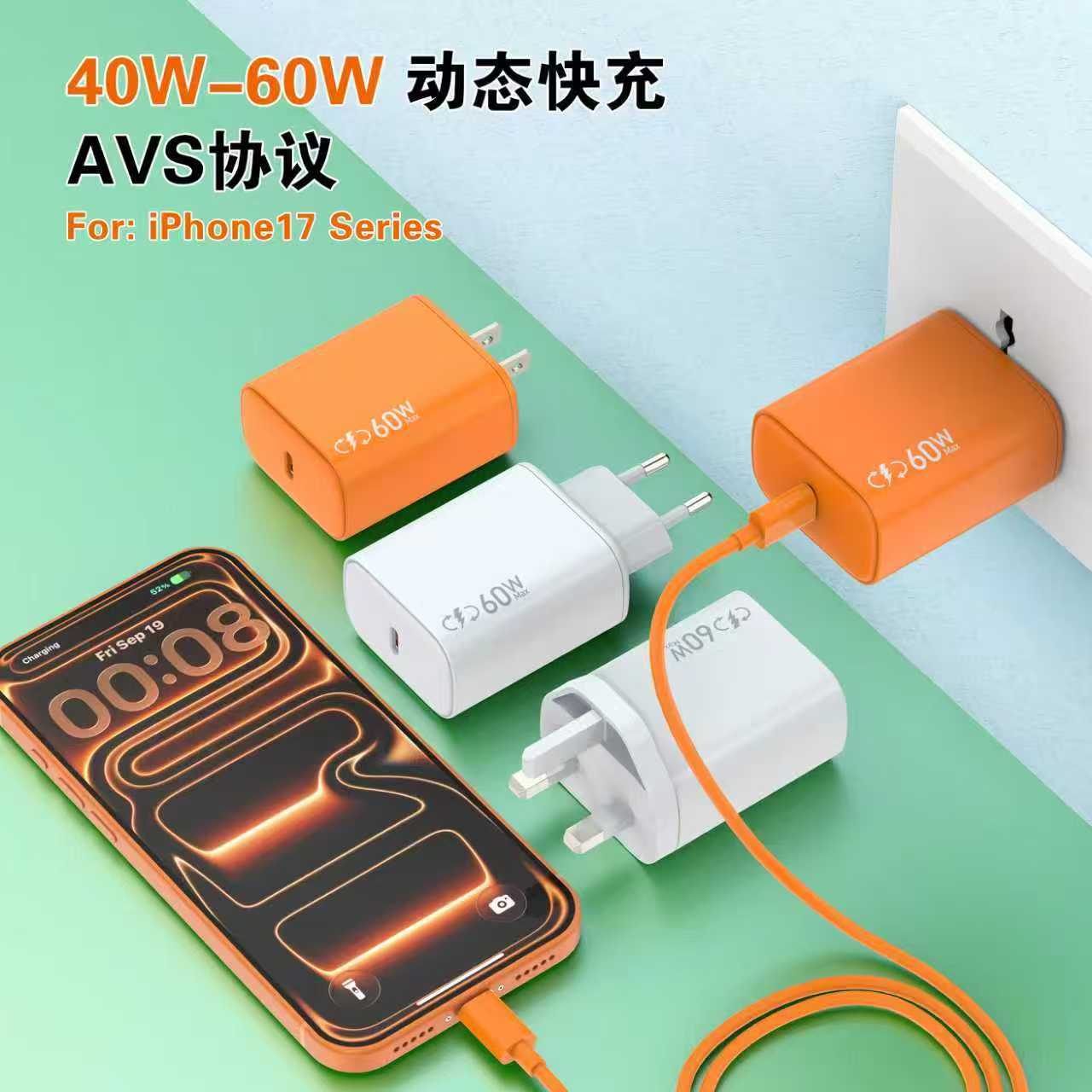
The iPhone 17-matching "Vibrant Orange" fast charger is here! Powered by the AVS protocol, it supports dynamic 40W-60W charging—juices your phone to 80% in 30 mins. It works with multiple plug types, has 3-layer safety protection, and nails both style and performance. Now available across all channels!
At the same time, overseas users are paying greater attention to safety and durability. Products equipped with smart chips, temperature control, and multiple safety protections are more likely to gain consumer trust. For OEM/ODM factories, achieving the right balance between aesthetic innovation and power technology will be essential for maintaining competitiveness in the future.
As a source manufacturer with more than 20 years of industry experience, Shenzhen Dipinle Technology continues to see strong growth potential in the colorful mini fast charger category. In ongoing product iterations, the factory has introduced a wider range of color options while enhancing size optimization, heat control, and safety chip design to meet the diverse needs consumers. Looking ahead, colorful fast chargers are expected to remain a core development focus and will likely continue driving strong sales across cross-border e-commerce platforms.
Market Focus Points:
1.Premium Build Quality: Matte finish V0-grade PC flame-retardant shell, scratch-resistant & fully certified (CE/ROHS/CB/ETL/FCC/PSE)
2. Compact & Apple-Compatible Design: Dimensions similar to Apple’s PD20W horizontal-port charger, space-saving for travel
3. Targeted Fast Charging: USB-C port delivers PD20W fast charge for Apple iPhone 12–16 Pro series,40-60w adapter for iPhone 17
4. Mass Production Capacity: 2 million units monthly output, automated manufacturing, fast delivery for bulk orders (Amazon bestseller with proven market recognition)
5. Reliable Core Technology: Factory-developed PCBA (3KV high-voltage resistant); built-in MOS IC for high integration & efficient heat dissipation (prevents cable burnout from low-quality cords); red glue + solder paste dual manufacturing process to avoid component detachment/cold soldering
Navigating the Shift: How uonipow 100W Dot Matrix GaN Charger Helps Amazon Sellers Capture the Premium U.S. Market
Dipinle Expands OEM Fast Charger Manufacturing to Support the Global E-Commerce Boom in 2025
Related Article
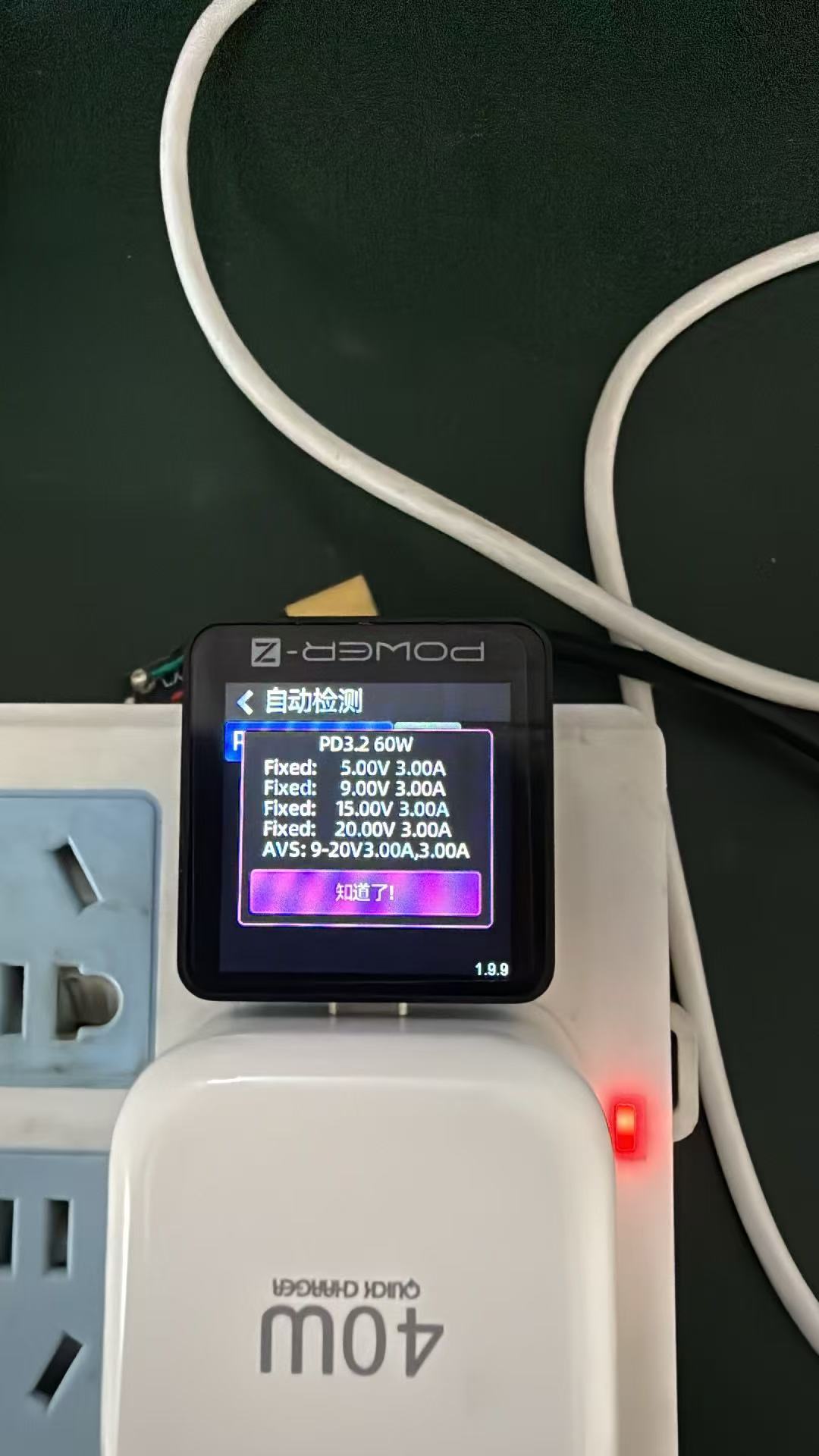
Difference Between AVS and PPS Fast Charging Protocols: B2B Selection & Consumer Usage Guide
Difference Between AVS and PPS Fast Charging Protocols: B2B Selection & Consumer Usage Guide
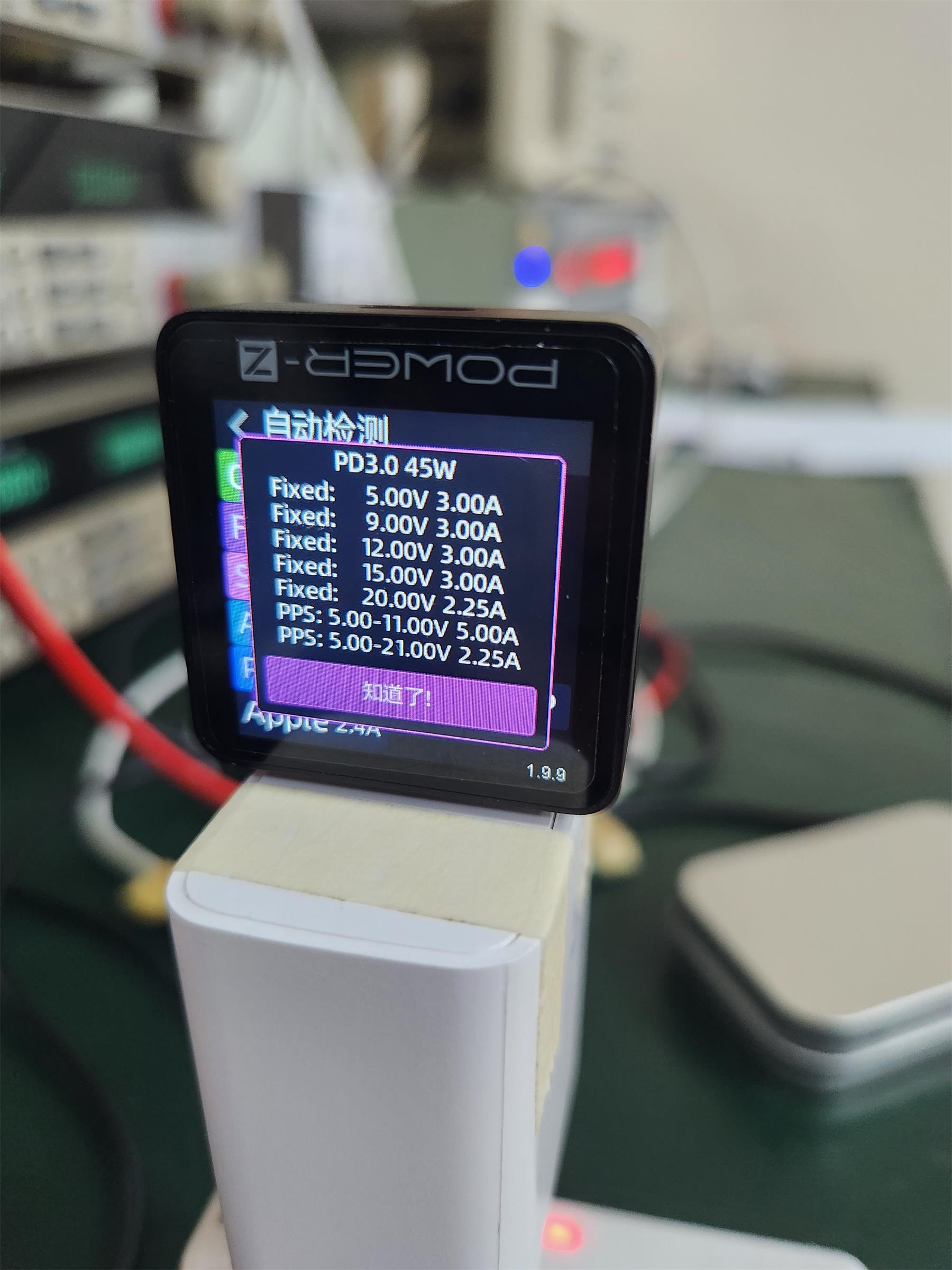
45W non-standard charger PPS protocol test guide: Protocol parameters are for reference only, load tester measurement is the only standard. Clarify the difference between PPS protocol and actual output of 127 model, core reasons and factory test standards, providing authoritative guidance for charger quality inspection and R&D.
45W Non-Standard Charger PPS Testing Specification Protocol Parameters ≠ Actual Output, Load Tester Measurement Is the Standard