
Does fast charging really damage batteries?
author: NIna-dpl
2025-07-26
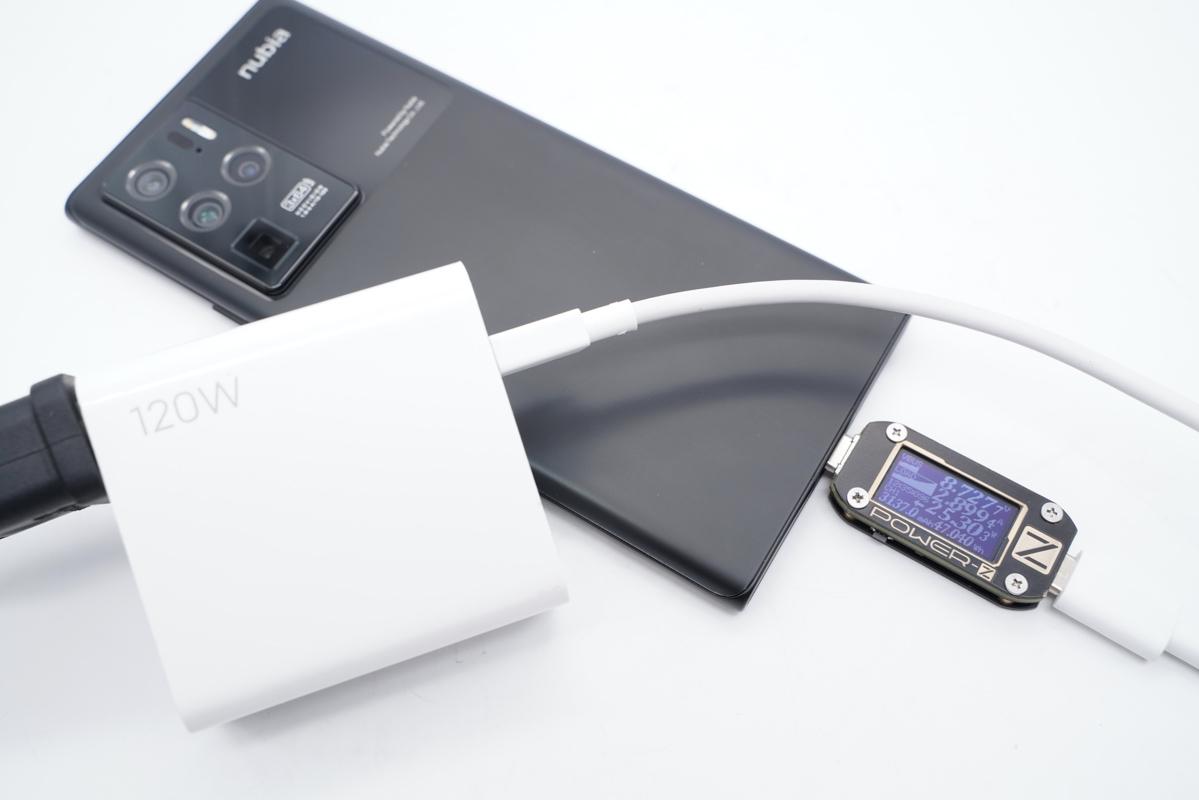
My phone has only been used for three months, but the battery health has dropped by 5%. Could it be that fast charging has damaged it? "I just bought a power bank that supports 65W fast charging, but I'm afraid to use it frequently for fear of damaging the battery."... As fast charging technology becomes a standard feature for devices such as mobile phones, laptops, and smartwatches, concerns about "fast charging damaging batteries" have become the top concern for users. Is fast charging the "invisible killer" that shortens battery life, or is it the "efficient wonder" as claimed by manufacturers? Behind this lies a complex game between charger technology and the chemical properties of batteries.
To understand whether fast charging damages batteries, it is first necessary to grasp the working logic of fast charging technology. The output power of traditional chargers is usually between 5W and 10W (such as the 5V1A charger that came with early iPhones), while the mainstream fast charging power today has reached 30W to 120W, and some gaming phones have even exceeded 200W. The charging time has been shortened from "a full charge overnight" to "a half-hour recharge".
Fast charging technology itself is not the main threat to battery lifespan. It reduces losses through intelligent regulation mechanisms. What truly affects the battery are high temperatures, excessive charging, and natural aging. However, scenarios such as using non-original chargers, high-intensity usage when the battery is low on power, and charging under extreme temperatures will accelerate the loss. As long as you choose qualified accessories, avoid leaving the battery fully charged overnight, reduce high-load operations during charging, and pay attention to the battery's health, you can balance the convenience of fast charging with the longevity of the battery.
CA-57T Samsung appearance product analysis
Power Bank Recall Impact: What It Means for Charger Manufacturers and Buyers
Related Article
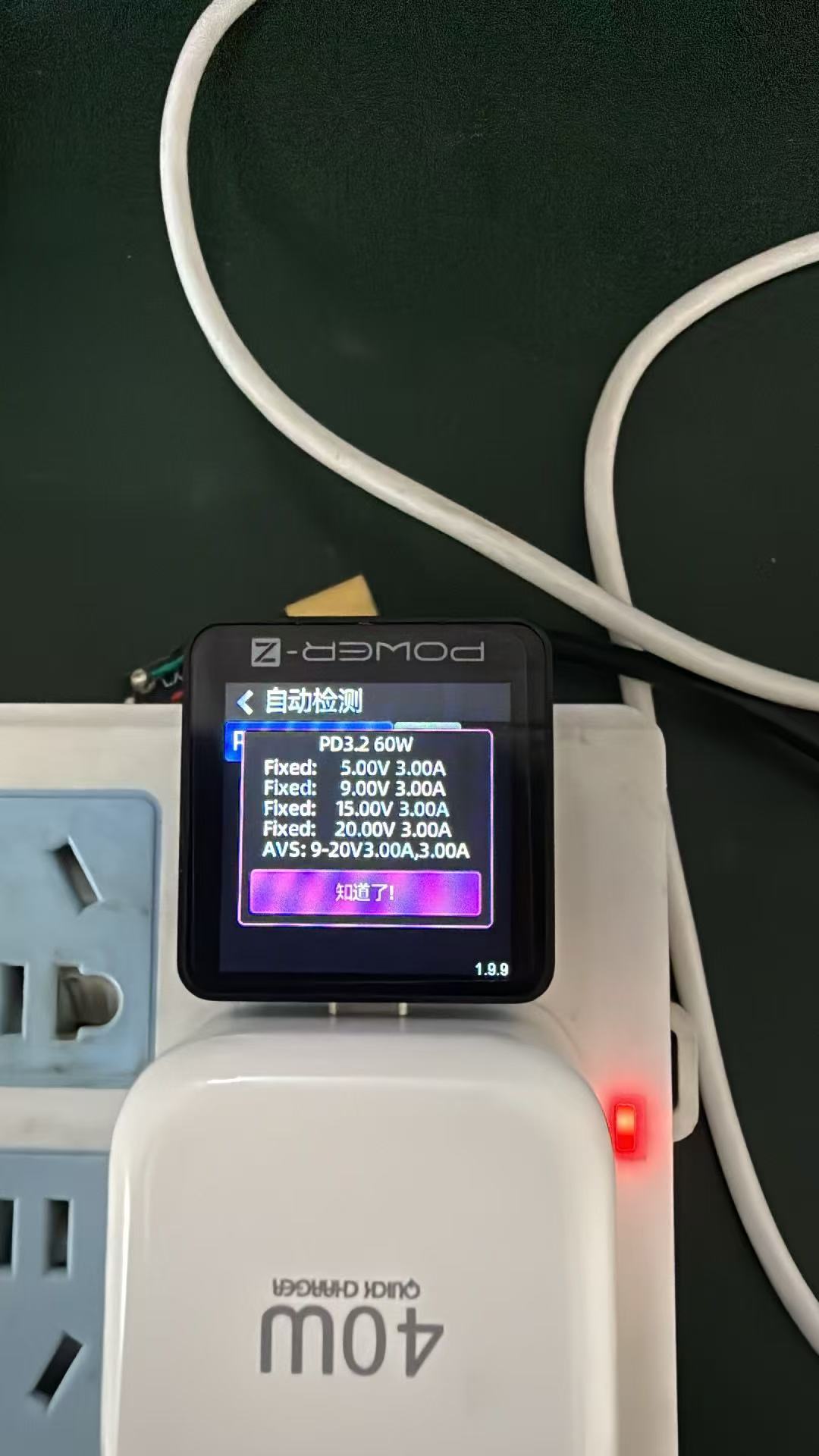
Difference Between AVS and PPS Fast Charging Protocols: B2B Selection & Consumer Usage Guide
Difference Between AVS and PPS Fast Charging Protocols: B2B Selection & Consumer Usage Guide
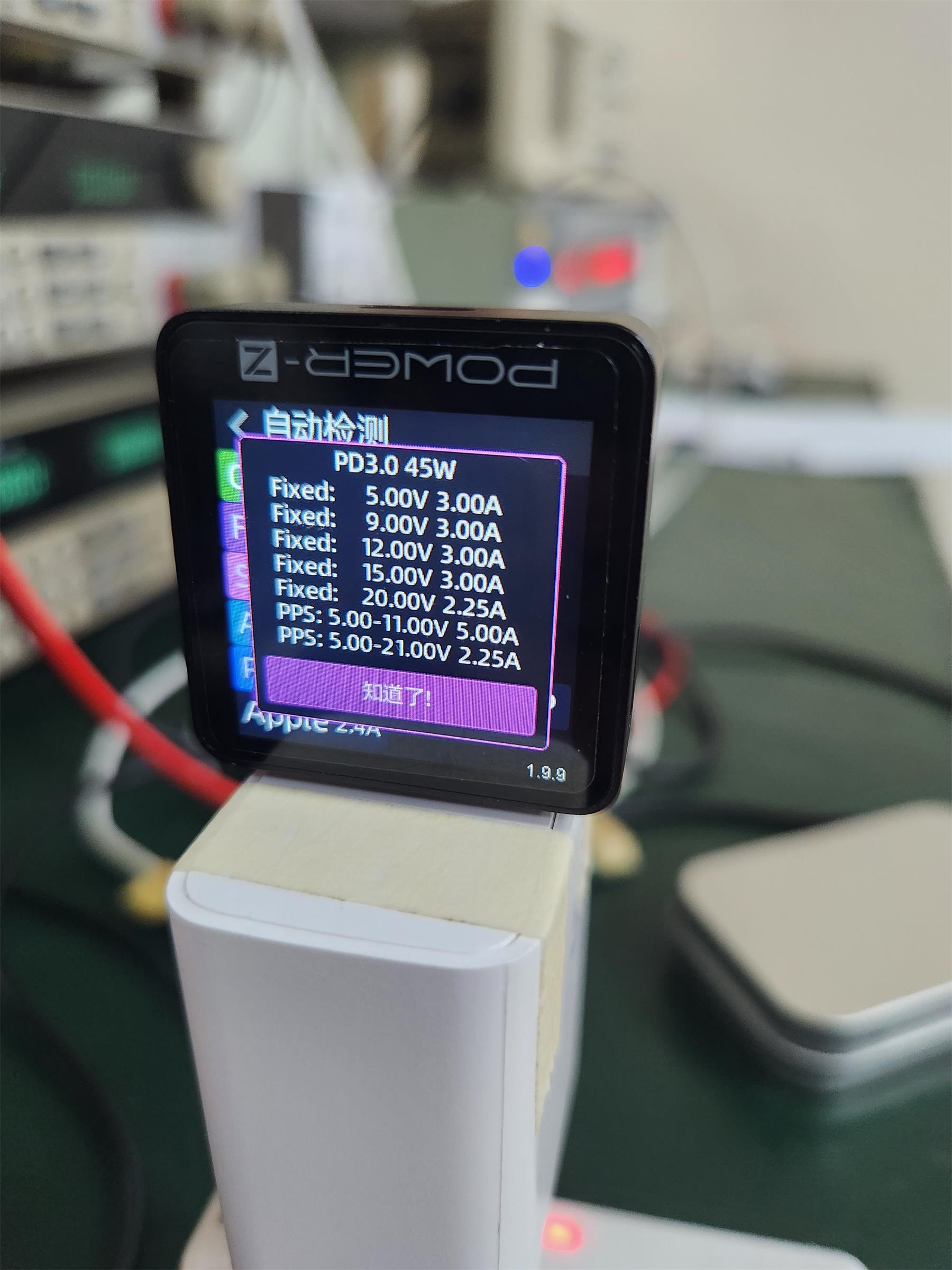
45W non-standard charger PPS protocol test guide: Protocol parameters are for reference only, load tester measurement is the only standard. Clarify the difference between PPS protocol and actual output of 127 model, core reasons and factory test standards, providing authoritative guidance for charger quality inspection and R&D.
45W Non-Standard Charger PPS Testing Specification Protocol Parameters ≠ Actual Output, Load Tester Measurement Is the Standard