Is the China-US trade war entering a decisive phase? With copper prices soaring and tariffs imposing heavy pressure, how should factories overcome the predicament?
author: Nina-DPL
2025-10-16
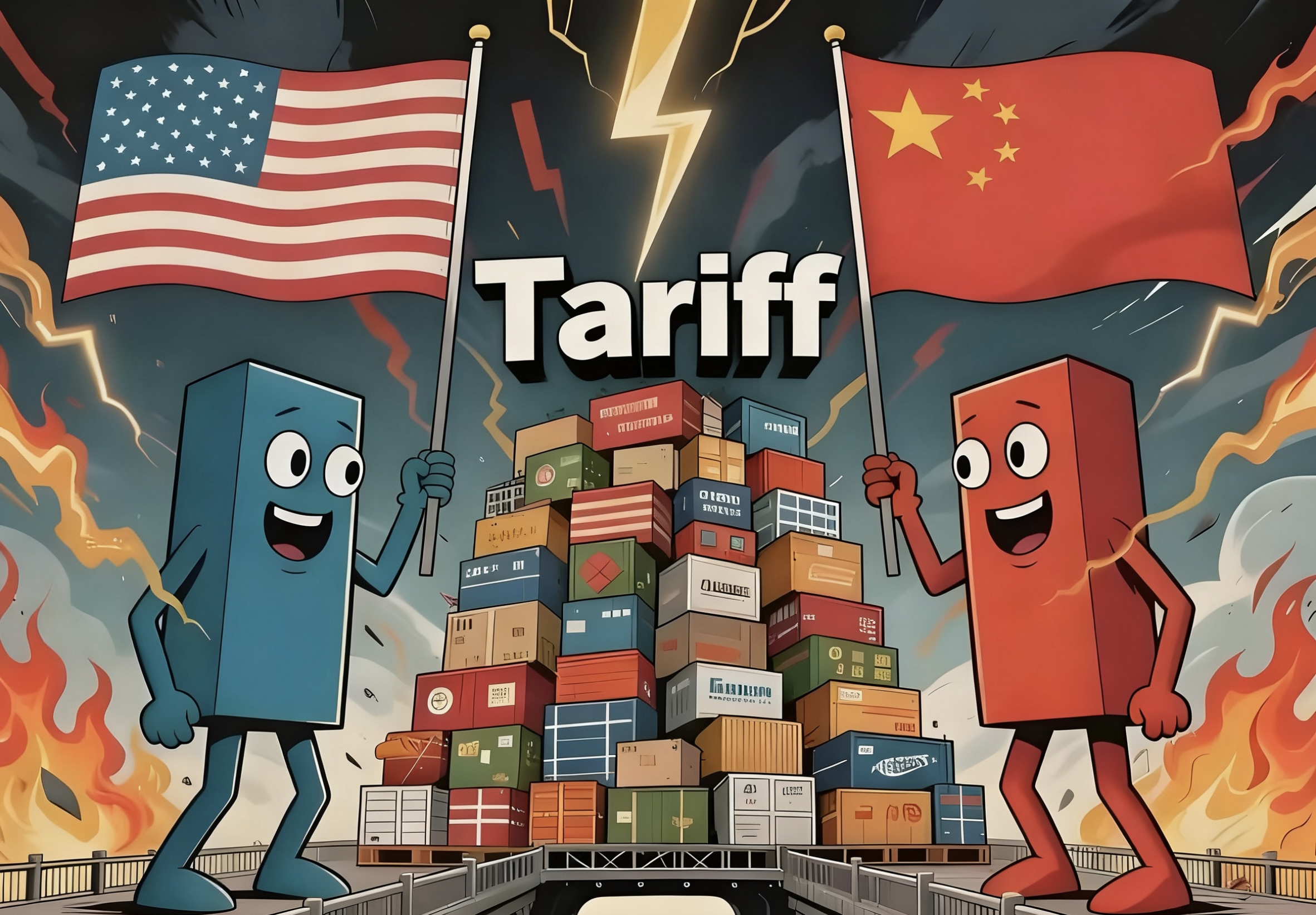
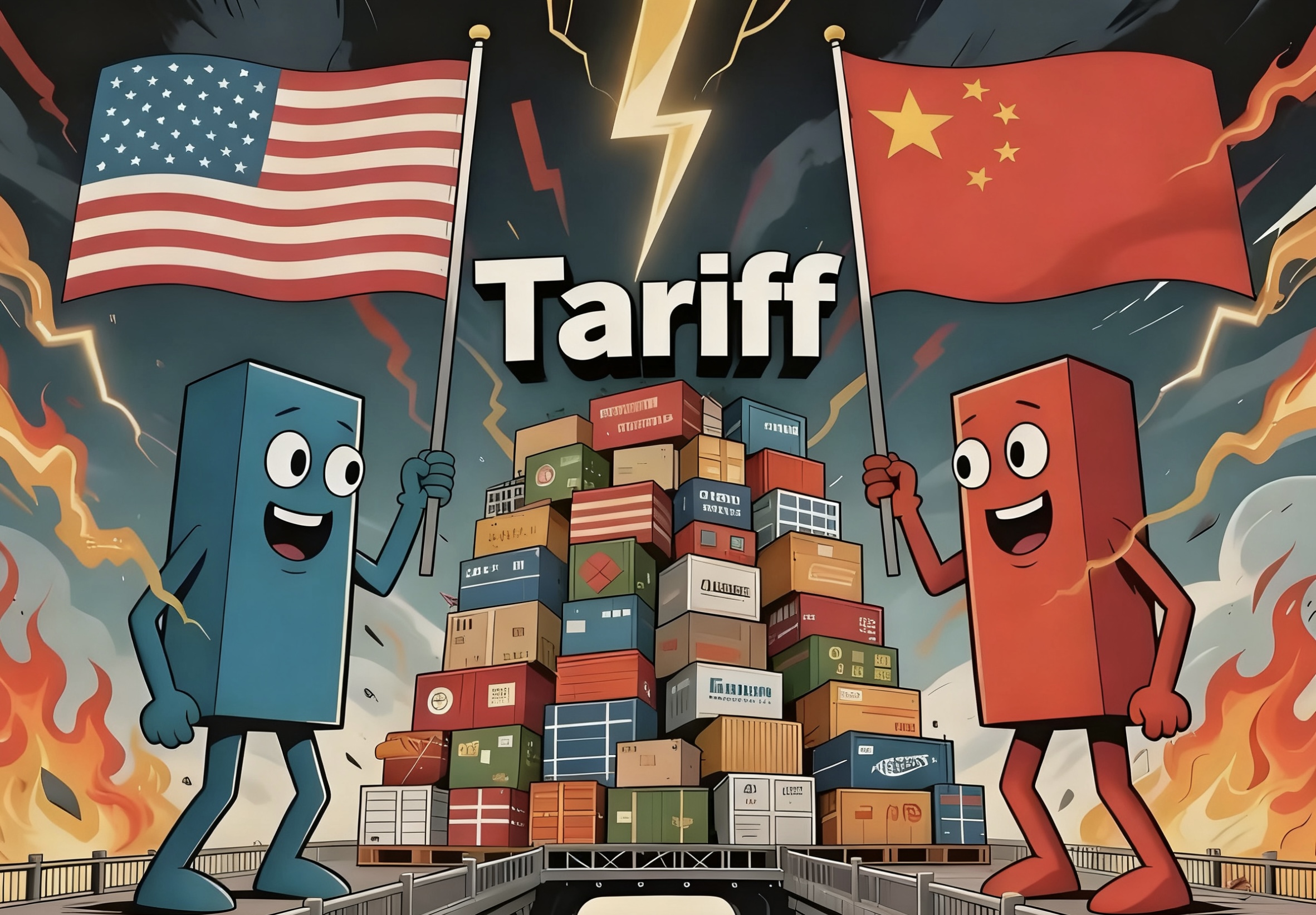 Our rapid report on this life-or-death attack and defense: As early as July 9th, Trump threatened to impose a 50% tariff on imported semi-finished copper starting August 1st. American copper traders went into a panic, importing nearly a year's worth of copper in the past six months, which directly drove global copper prices skyrocketing! Then, on September 29th, the U.S. Department of Commerce implemented the 50% rule, blacklisting over 3,000 Chinese enterprises; on October 4th, they further imposed a 50-dollar-per-net-ton surcharge on shipping fees for Chinese cargo ships. A ship with 50,000 net tons would have to pay 2.5 million dollars at once—ten times the original amount, almost matching the freight costs!
The root cause of all this is actually America's soybean crisis! September is the soybean harvest season, but farmers in the U.S. Midwest didn't receive a single Chinese order. Soybeans account for 14% of U.S. agricultural product export revenue, and in 2024, we bought 12.64 billion U.S. dollars worth, more than half of their exports. What's worse, U.S. soybeans have long been turned into a financial game: farmers use order expectations as collateral to take loans from banks, then buy financial products to make differential profits. Now that there's no buyer for soybeans, the collateral has become worthless, forcing farmers to (cover losses), with loan defaults and bad debts imminent! The ripple effects are even more severe: farmers will definitely reduce planting areas, leading to a sharp drop in demand for oil, fertilizers, and pesticides, directly shaking the upstream industrial chain and causing chaos in capital markets. Trump wanted to accumulate some good cards before the APEC meeting in November, so he stirred up trouble during our National Day holiday, only to end up shooting himself in the foot!
On October 9th, we struck back directly! The rare earth controls were ten times stricter than ever before. It wasn't just a simple restriction on raw materials but a full-chain blockade: First, it regulated 'entities + technologies,' requiring permits not only for rare earth mines and smelting products but also for neodymium-iron-boron magnet manufacturing processes, production line debugging technologies, and even joint R&D technology transfer, completely blocking the U.S. path of 'buying mines and processing them themselves.' Second, it implemented 'penetrative regulation,' requiring permits for any overseas products containing even 0.1% Chinese rare earths, no matter if they just used our technology. This move effectively countered the U.S.'s 'long-arm jurisdiction.' Finally, it precisely targeted vital areas, requiring case-by-case approval for semiconductors below 14 nanometers and the military industry, directly aiming at America's most core(advantageous industries).
This hit America right in the soft spot! They rely on us for 80% of their heavy rare earths, with critical varieties like samarium and dysprosium having almost 100% dependency. Not to mention that 90% of global rare earth refining capacity is in China. While the U.S. has its own mines, their smelting technology lags ours by 15 years; the ore they dig has to be processed in China. Without our technology, it's just a pile of waste stones. After the policy was introduced, gallium prices soared from 300 dollars to 595 dollars, bringing the military and tech sectors to a standstill: Each F-35 fighter jet requires 900 pounds of rare earths to make magnets, and the U.S. military's inventory can only last six months, forcing Lockheed Martin to delay upgrade projects; NVIDIA's AI chips lack rare earths for their precision sensors, causing its stock to drop nearly 5%; Tesla's motor magnets are also in crisis. Even the U.S. Department of Defense admitted that 75% of critical components in their weapons systems depend on our rare earths. This isn't just a chokehold—it's grabbing their (vital lifeline)!
Trump went ballistic the same day, threatening to impose a 100% tariff in November, adding to the previous 30% for a total of 130%! This would affect 3.8 trillion U.S. dollars worth of goods across 234 categories, accounting for 42% of our exports to the U.S.! But no sooner had he spoken than the Nasdaq fell 3.56%, and Walmart led the opposition: Tariffs would either empty store shelves or double prices!
Don't panic but stay alert, those of us in the charger export business! This wave of material price hikes is a series of consecutive blows: Gallium for GaN fast chargers has doubled, soft magnetic alloys have risen 15%, and now copper prices have gone up by 30%—ordinary fast
If you want to know more new information for charger ,please pay attention to our website: www.uonipow.com
How to Choose a Reliable Charger Wholesale Factory in China
Which one has a higher cost-performance ratio, the Xiaomi 17 Pro or the iPhone 17 Pro?
Related Article
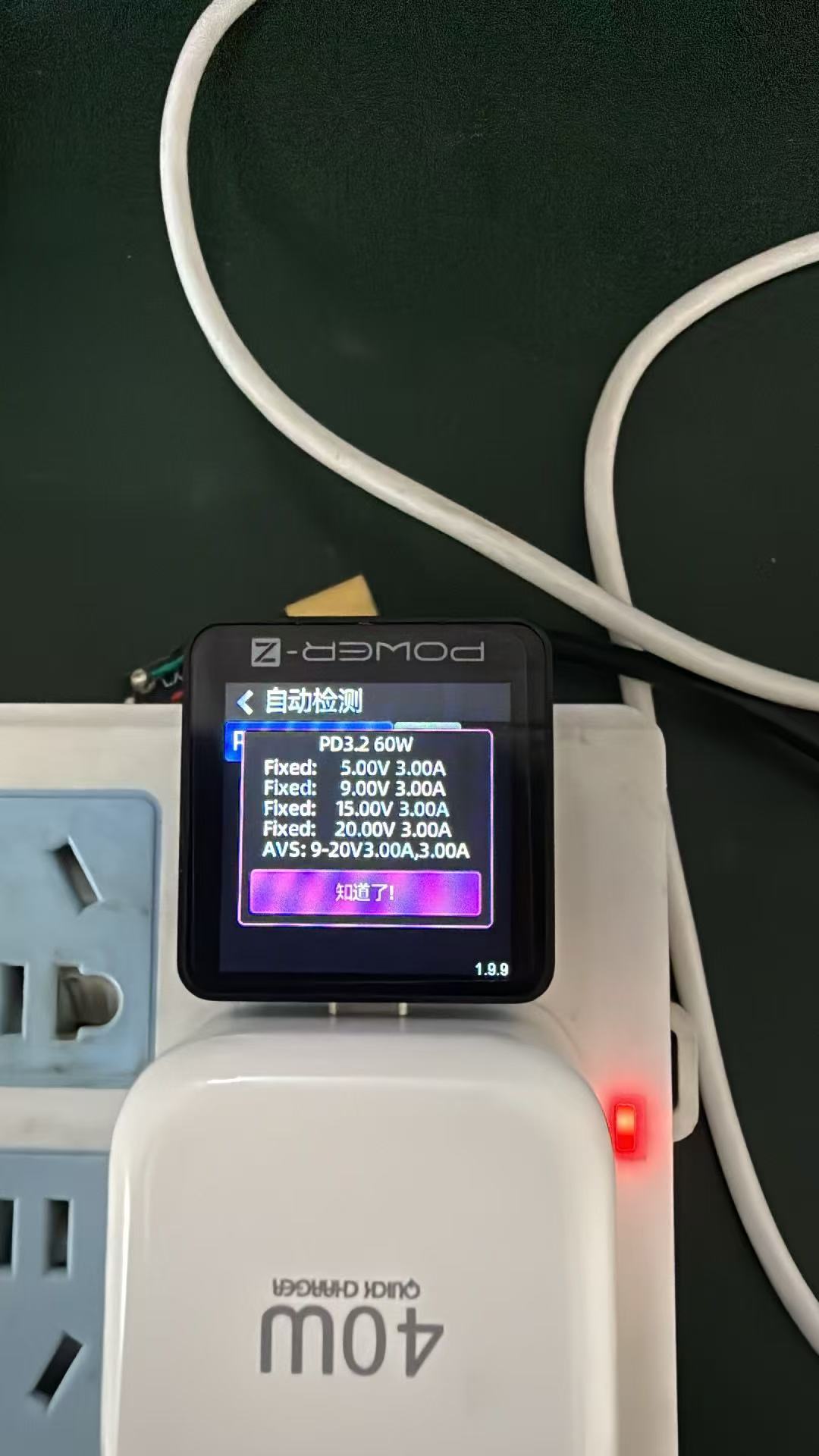
Difference Between AVS and PPS Fast Charging Protocols: B2B Selection & Consumer Usage Guide
Difference Between AVS and PPS Fast Charging Protocols: B2B Selection & Consumer Usage Guide
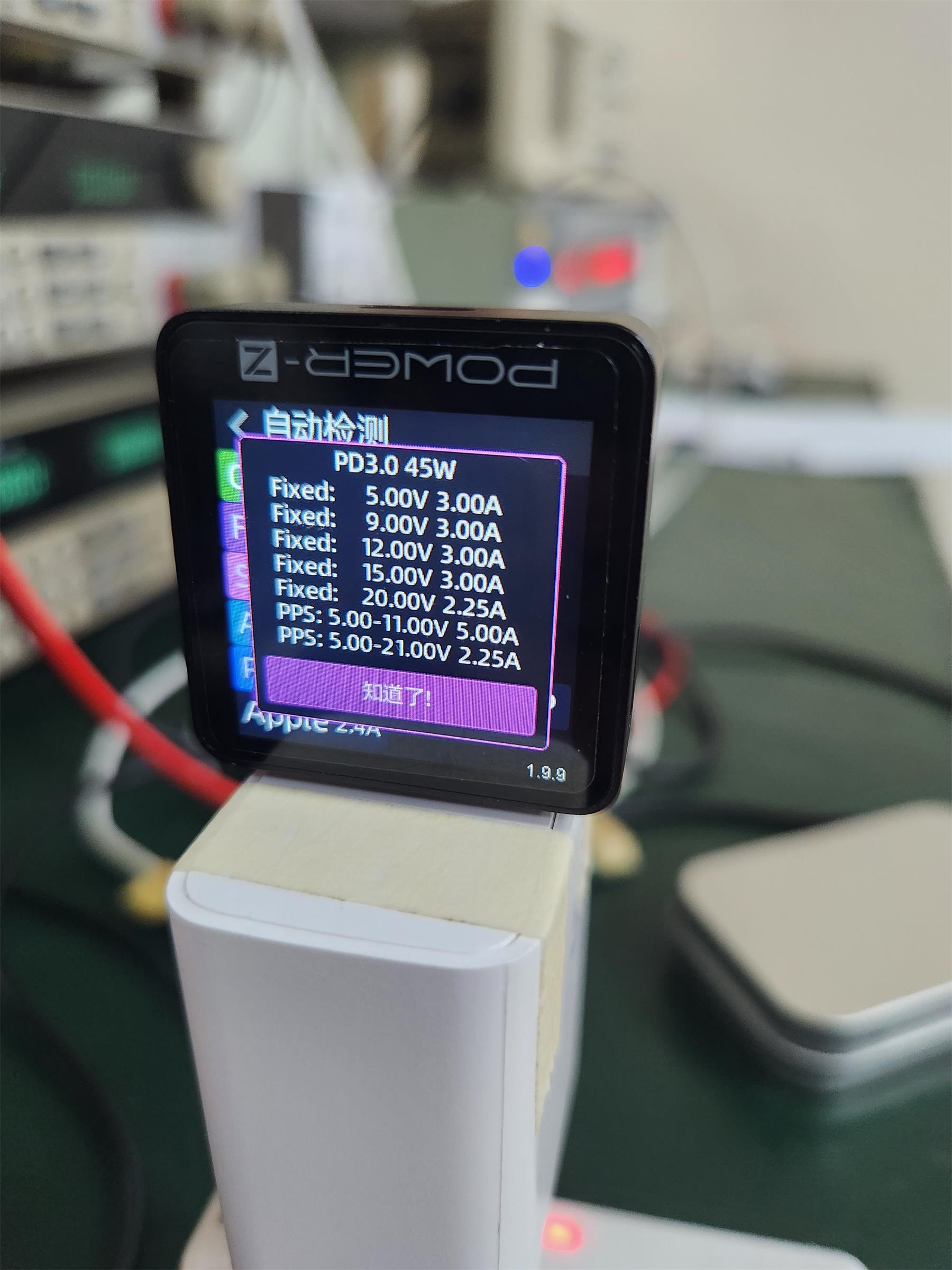
45W non-standard charger PPS protocol test guide: Protocol parameters are for reference only, load tester measurement is the only standard. Clarify the difference between PPS protocol and actual output of 127 model, core reasons and factory test standards, providing authoritative guidance for charger quality inspection and R&D.
45W Non-Standard Charger PPS Testing Specification Protocol Parameters ≠ Actual Output, Load Tester Measurement Is the Standard