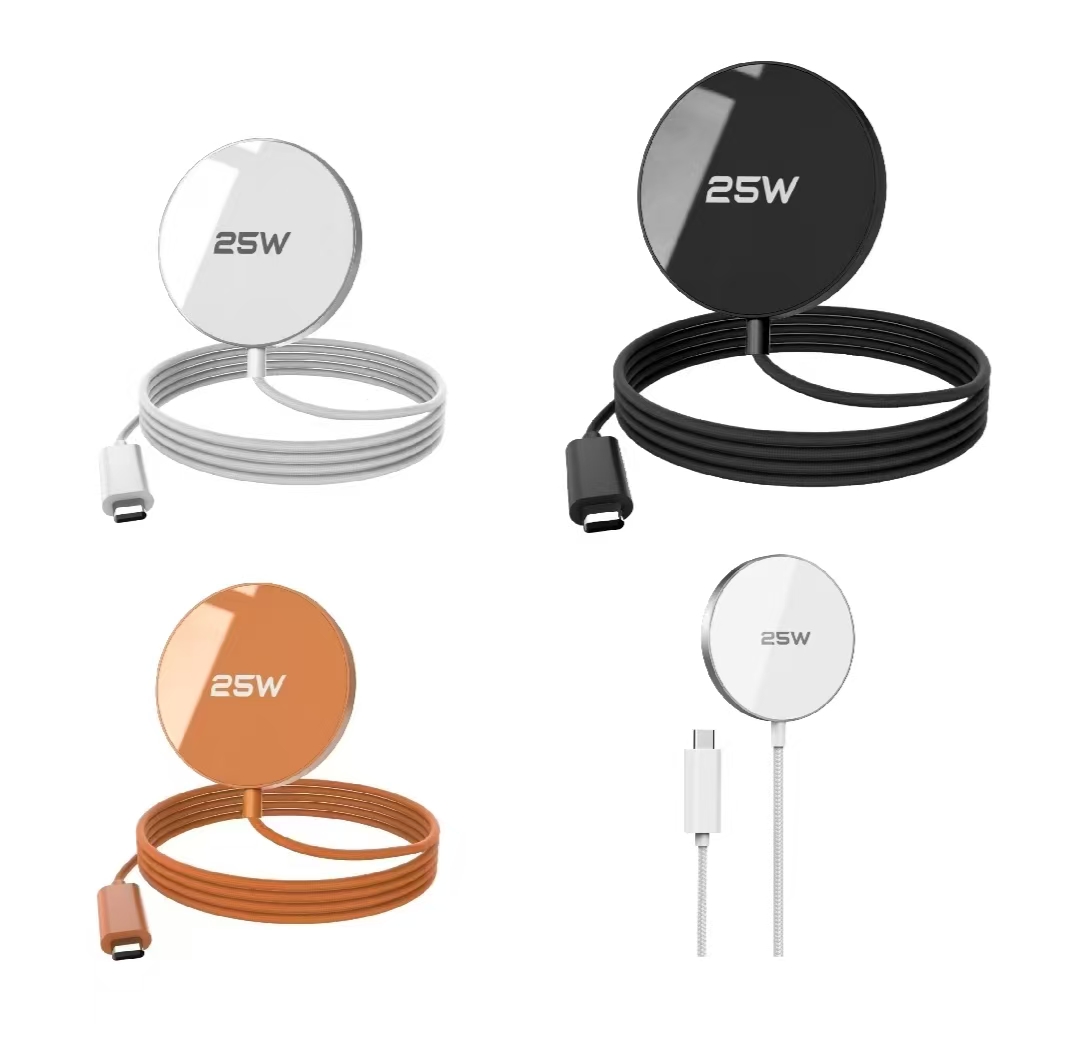
Cross-border Giants Under Investigation: Opportunity Knocks for Small Sellers, but Charger Industry Risks Falling Behind if Compliance Is Ignored
author: Nina chen-dipinle
2025-06-18
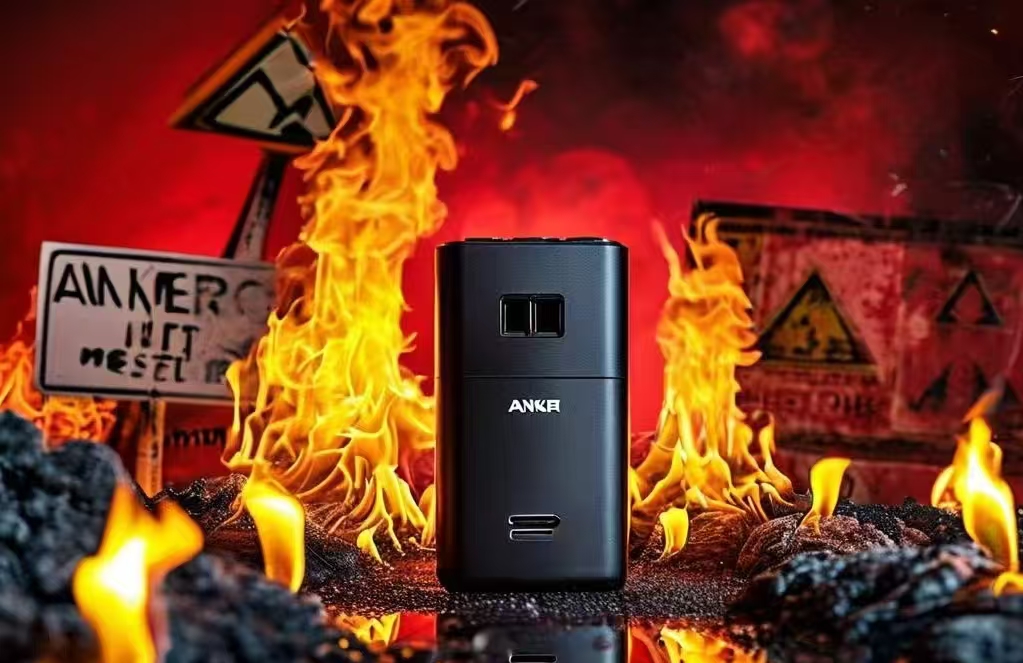

On June 15th, the U.S. Consumer Product Safety Commission (CPSC) announced on its official website that Anker had been thrust into the spotlight. Six models of wireless chargers were named, produced between October 2022 and March 2025, with global sales reaching 1.5 million units—1.2 million of which were sold in the U.S. alone. Despite the impressive sales, these products turned out to be "ticking time bombs." The CPSC accused them of "posing a serious overheating risk that could potentially cause fires."
American consumers took to Reddit to complain furiously, with one user sharing that their Anker charger smoked while in use, nearly burning through the table. More alarmingly, the U.S. has received 27 reports of overheating, including 3 cases of minor burns and 11 causing property damage.
Anker promptly issued a recall notice, promising full refunds. Calculated at a $50 cost per charger, the 1.2 million returns in the U.S. alone will cost Anker $60 million. Adding shipping fees, public relations costs, and losses from plummeting stock prices, the total loss is estimated to exceed $100 million.
In addition to Anker, Midea has also received a recall notice.
Therefore, sellers must prioritize compliance. Certifications such as FDA, UL, FCC, CPC, and EU CE must not be overlooked.
All in all,Dipinle has always attached great importance to the testing and control of charger production, as well as complete certifications, to ensure that every penny counts. Although we cannot match Anker's position in the charger industry, we will also learn from them. As peers, we should pay attention to the problems they have encountered, focus on quality control, and ensure that the chargers we produce are safe and reliable.
charger market
Related Article
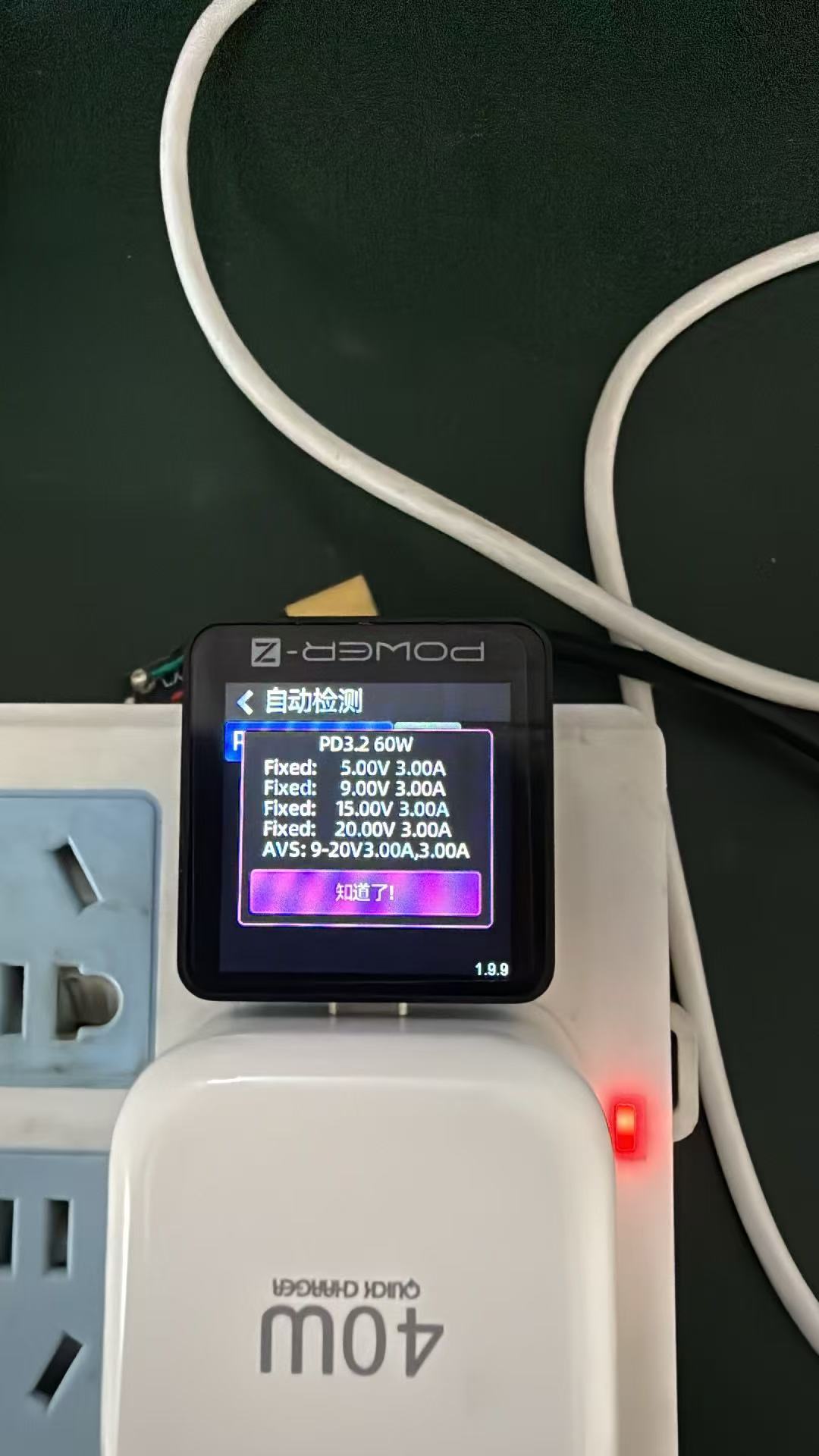
Difference Between AVS and PPS Fast Charging Protocols: B2B Selection & Consumer Usage Guide
Difference Between AVS and PPS Fast Charging Protocols: B2B Selection & Consumer Usage Guide
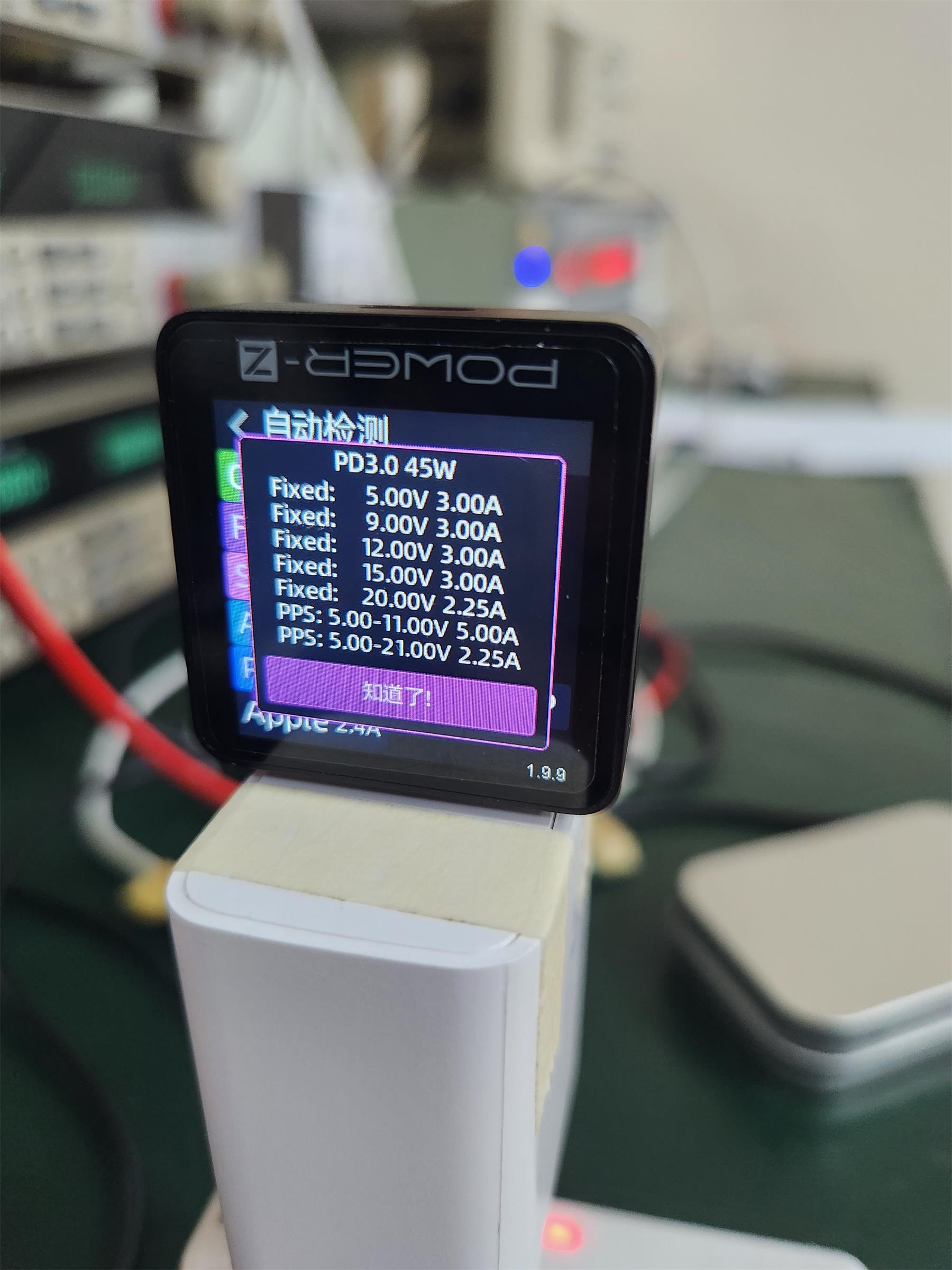
45W non-standard charger PPS protocol test guide: Protocol parameters are for reference only, load tester measurement is the only standard. Clarify the difference between PPS protocol and actual output of 127 model, core reasons and factory test standards, providing authoritative guidance for charger quality inspection and R&D.
45W Non-Standard Charger PPS Testing Specification Protocol Parameters ≠ Actual Output, Load Tester Measurement Is the Standard