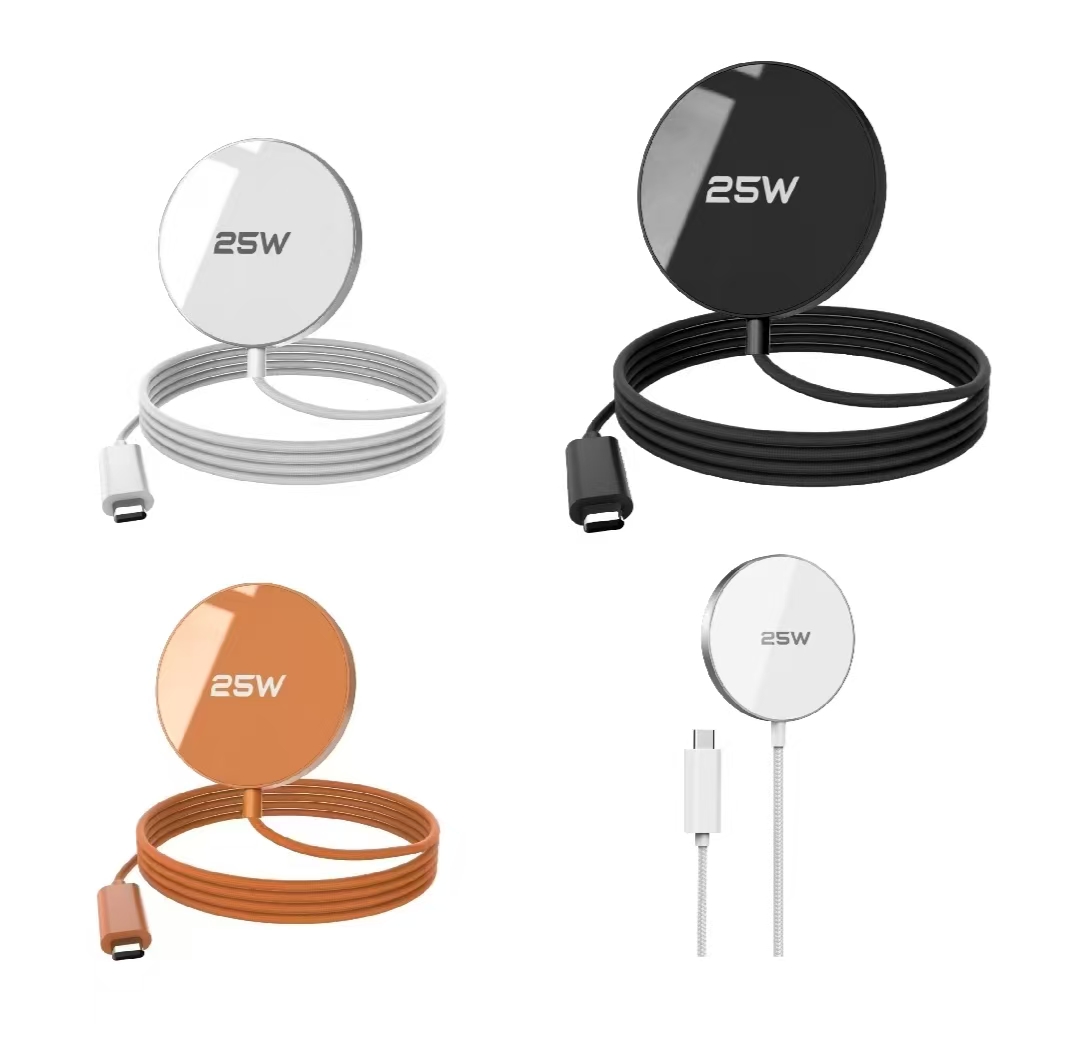
Which one has a higher cost-performance ratio, the Xiaomi 17 Pro or the iPhone 17 Pro?
author: Nina
2025-09-28
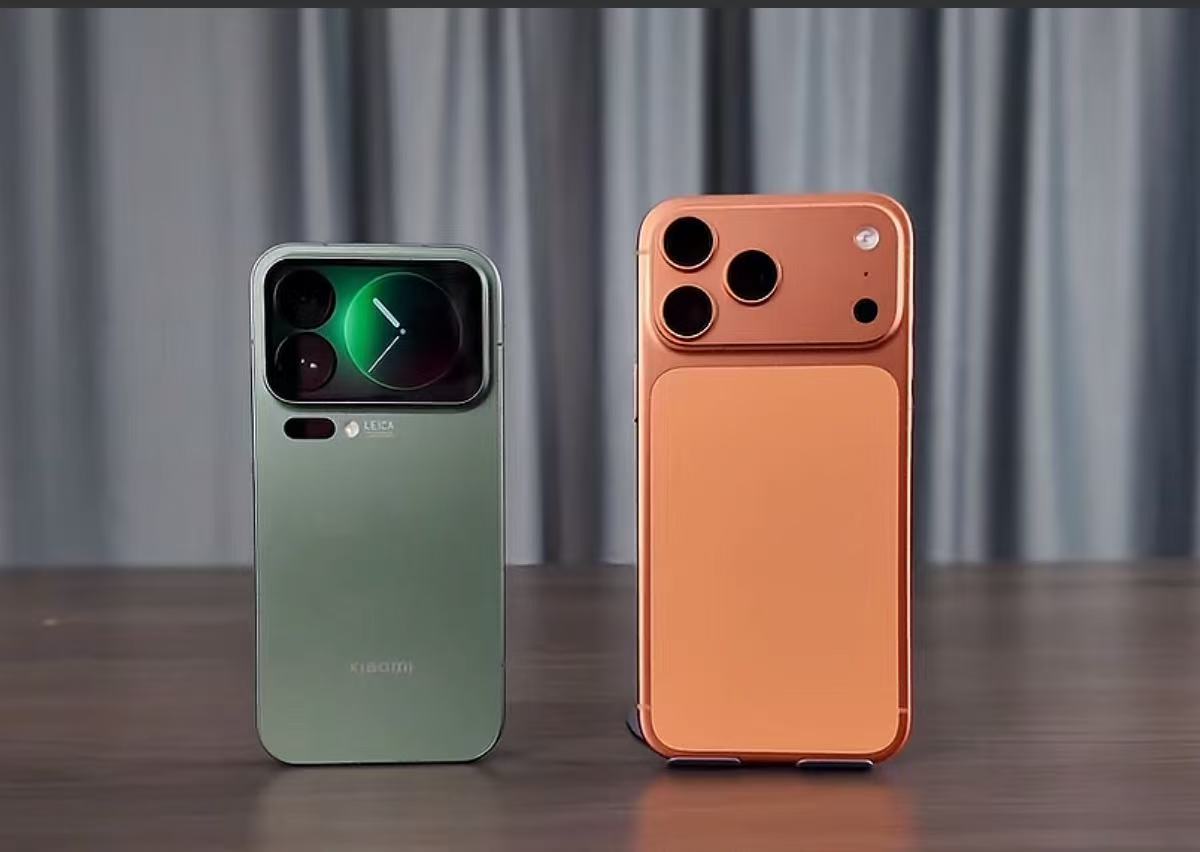
Choosing Between Xiaomi 17 and iPhone 17: A Detailed Comparison
I. Core Differences and Value Propositions
1. Price and Cost-Effectiveness
- Xiaomi 17: The 12GB+256GB version is priced at 4,499 CNY, and the 12GB+512GB version only costs 4,799 CNY. In contrast, the iPhone 17 with the same storage options is 1,500–3,200 CNY more expensive (starting at 5,999 CNY). If you have a limited budget but pursue high specifications, the Xiaomi 17 has a significant cost-effectiveness advantage.
- iPhone 17: Its starting price positions it directly in the high-end market, but its core value lies in brand premium and ecosystem synergy (e.g., seamless connectivity with Mac and iPad).
2. Performance
- Xiaomi 17: It is the world’s first device to feature the Snapdragon 8 Gen 5 Ultimate chip, with a Geekbench 6 multi-core score of 12,352 points—far exceeding the iPhone 17’s A19 chip (10,307 points). Its GPU performance is approximately 23% better, and paired with a 3D circular liquid cooling system, it maintains stable frame rates during long gaming sessions (e.g., an average of 60 FPS in Genshin Impact at maximum graphics settings, with a body temperature of 41.1°C)
- iPhone 17: The A19 chip has a slight edge in single-core performance (3,849 points), making it suitable for scenarios requiring fast instant response (e.g., quick app launches). However, it lags behind the Xiaomi 17 in multi-core performance and heat dissipation.
3. Battery Life and Charging
- Xiaomi 17: Equipped with a 7,000mAh battery— the largest capacity among compact flagship phones—it delivers up to 18 hours of heavy usage, nearly twice that of the iPhone 17 (3,692mAh). Its 100W wired fast charging can charge the device to 79% in 20 minutes, while the 50W wireless charging fills 48% of the battery in 30 minutes.
- iPhone 17: Its battery life has improved by 30% compared to the previous generation, but its 40W wired fast charging still takes 50 minutes to fully charge, and wireless charging only supports 15W. If you frequently go out or rely on fast charging, the Xiaomi 17’s advantages are irreplaceable.
II. Scenario-Based Recommendations
1. 6 Reasons to Choose the Xiaomi 17
- Eliminates battery anxiety: The 7,000mAh battery + 100W fast charging lets you say goodbye to power banks.
- Top-tier gaming performance: The Snapdragon 8 Gen 5 Ultimate chip + oversized heat dissipation module delivers an average of 59 FPS in Honkai: Star Rail at maximum graphics settings, with excellent temperature control.
- Versatile imaging for content creation: Leica triple cameras (Light Hunter 950 main camera + vertical telephoto lens) support 10x optical zoom and telephoto macro, making it capable of shooting distant scenes, portraits, and night scenes.
- New benchmark for compact flagships: A 6.3-inch straight screen with an ultra-narrow 1.18mm bezel offers comfortable one-handed operation and immersive visuals comparable to larger screens.
- High customization flexibility: Supports global DC dimming, ultrasonic fingerprint recognition, and custom home screen layouts to meet personalized needs.
- Unbeatable cost-effectiveness: It is 30% cheaper than the iPhone 17 with the same specifications; the extra budget can be used to upgrade storage or purchase accessories.
2. 5 Reasons to Choose the iPhone 17
- Seamless iOS ecosystem experience: Seamless collaboration with Mac, iPad, and Apple Watch (e.g., file transfer, cross-device clipboard) boosts productivity.
- Professional-grade video shooting: 4K HDR Cinematic Mode supports focus switching, and its image stabilization and color reproduction set industry standards—ideal for vloggers.
- System stability and privacy protection: iOS offers long-term updates (5 years of system support), strict app review, and detailed privacy permission management.
- Slim design and premium texture: Weighing 168g with a thickness of 7.6mm, it features an aluminum frame + glass back, offering a refined feel and resistance to fingerprints.
- Long-term resale value: iPhones have strong liquidity in the second-hand market, with a residual value rate approximately 20% higher than Xiaomi’s after three years.
III. In-Depth Experience Comparison
1. Display Quality
- The Xiaomi 17’s 3,500 nits peak brightness ensures clearer visibility under strong outdoor light, and it supports DC-like dimming—friendly for users sensitive to screen flicker.
- The iPhone 17 has better color accuracy (ΔE < 1) but only supports 2,160Hz PWM dimming, which may cause eye fatigue in low-light environments.
2. Camera System
- The Xiaomi 17’s main camera sensor (1/1.31-inch) is slightly larger than the iPhone 17’s (1/1.35-inch), capturing 5% more light and delivering richer details in dark areas of night shots.
- The iPhone 17’s ultra-wide-angle lens (48MP) outperforms the Xiaomi 17’s (50MP Samsung JN5) in image quality, with better control over edge distortion.
3. System Features
- Xiaomi Surge OS 3 supports app cloning, long screenshots, and call recording—offering more practical localized features.
- iOS 26 adds intelligent spam call blocking and real-time voice mail, but lacks features like split-screen multitasking.
IV. Key Factors for Purchase Decision
- Budget priority: If your budget is under 5,000 CNY, the Xiaomi 17 leads in overall specifications; if you have sufficient budget and prioritize brand, the iPhone 17 remains a high-end benchmark.
- Existing device ecosystem: If you already own Apple products like a Mac or iPad, the iPhone 17 maximizes synergy efficiency; if you use Xiaomi devices (e.g., smart bands, tablets), the Xiaomi 17 offers more seamless connectivity.
- Usage scenario preferences: Gamers, users needing long battery life, and photography enthusiasts should prioritize the Xiaomi 17; video creators, business users, and loyal iOS users are better suited for the iPhone 17.
- Long-term usage plan: If you plan to use the phone for more than 3 years, the iPhone 17’s system updates and resale value are more advantageous; if you frequently replace phones, the Xiaomi 17 offers better cost-effectiveness.
Conclusion
The Xiaomi 17 redefines the standard for compact flagship phones with four core advantages: battery life, performance, imaging, and cost-effectiveness—making it especially suitable for users pursuing all-around performance and practicality.The iPhone 17 solidifies its position in the high-end market with the iOS ecosystem, video shooting capabilities, slim design, and brand premium—making it the first choice for ecosystem-dependent users and those prioritizing quality.
Is the China-US trade war entering a decisive phase? With copper prices soaring and tariffs imposing heavy pressure, how should factories overcome the predicament?
The entire iPhone 17 series is released! The standard iPhone 17 will be a bestseller for three years! The boom for chargers is coming again!
Related Article
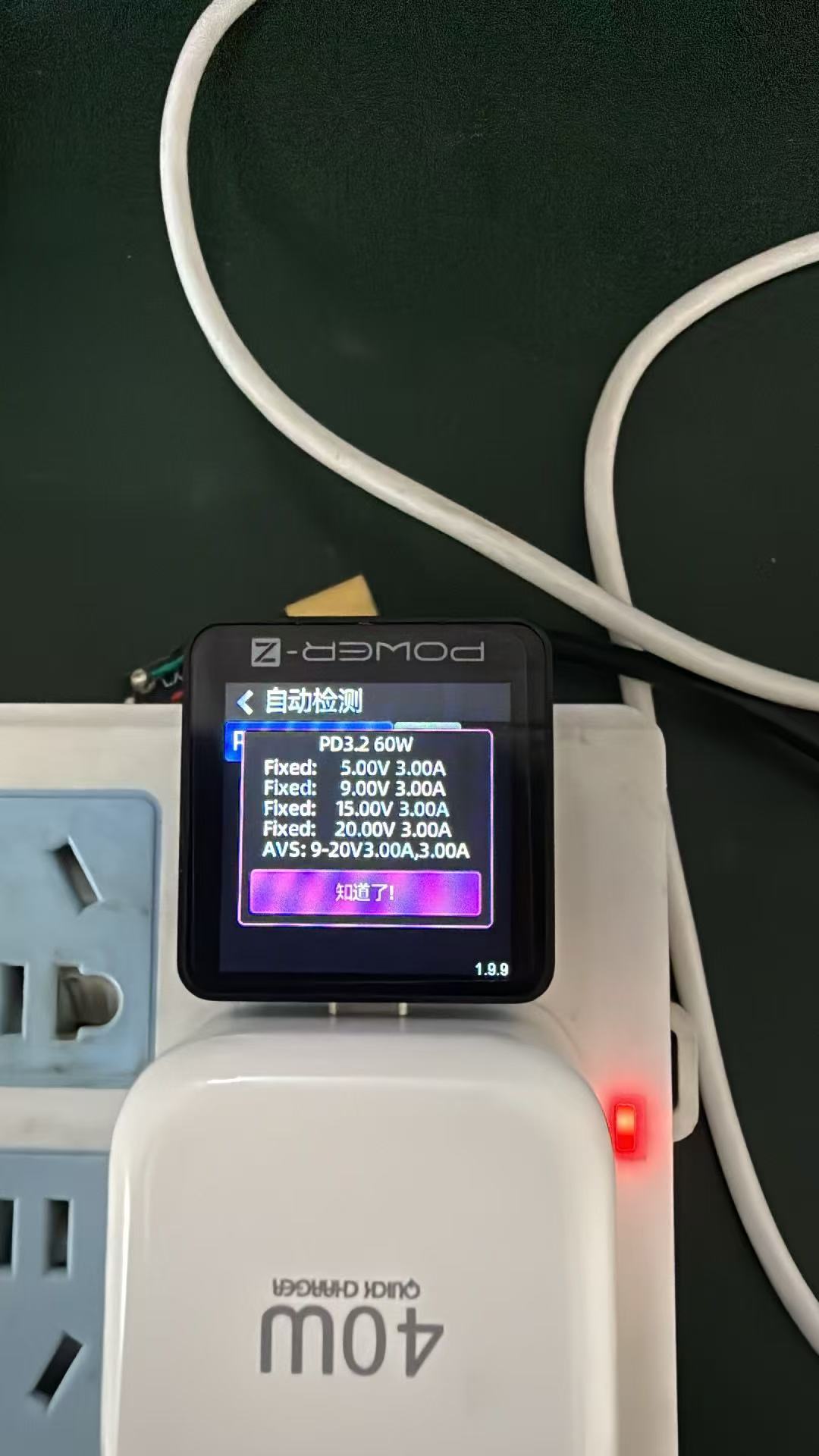
Difference Between AVS and PPS Fast Charging Protocols: B2B Selection & Consumer Usage Guide
Difference Between AVS and PPS Fast Charging Protocols: B2B Selection & Consumer Usage Guide
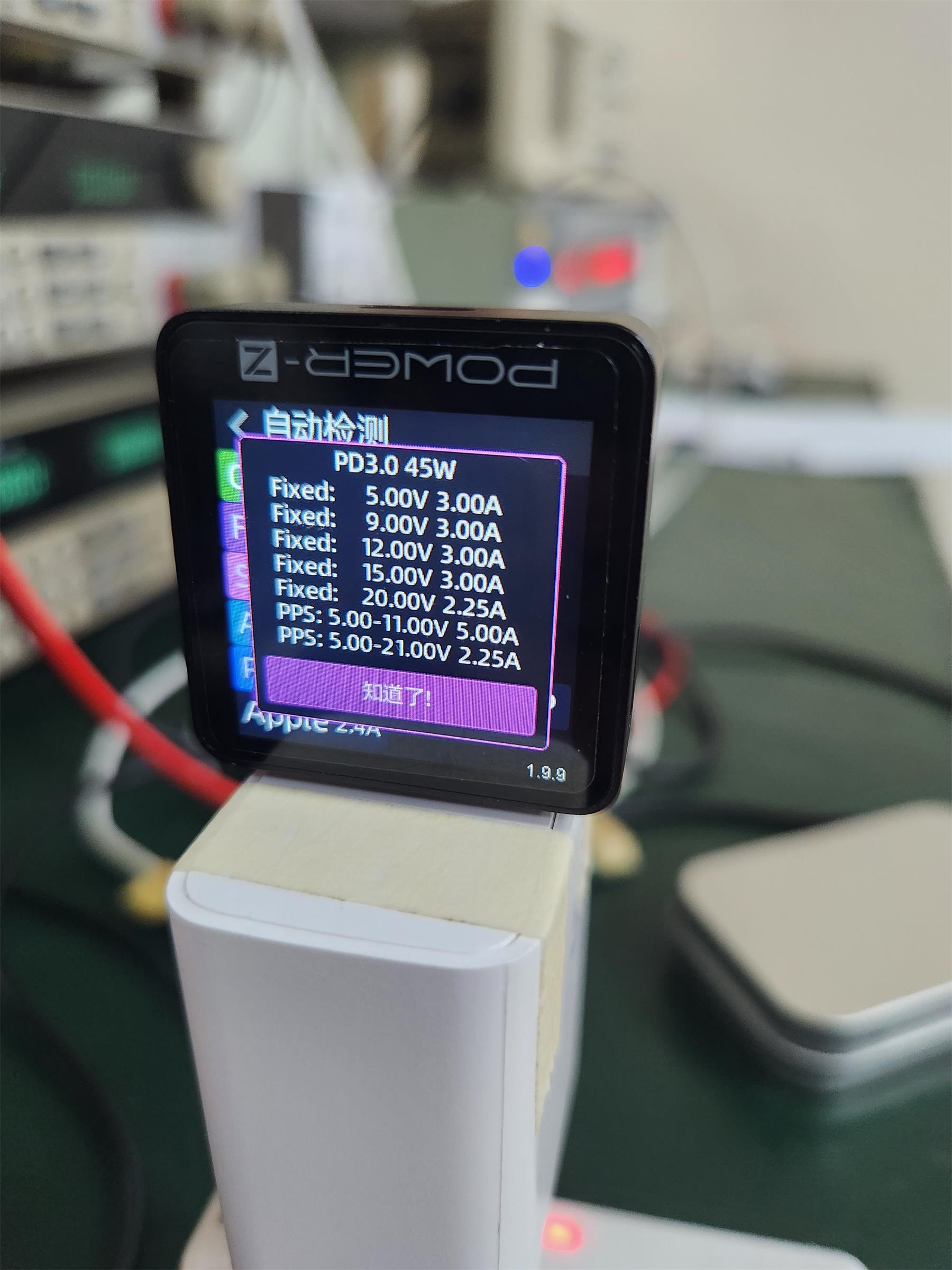
45W non-standard charger PPS protocol test guide: Protocol parameters are for reference only, load tester measurement is the only standard. Clarify the difference between PPS protocol and actual output of 127 model, core reasons and factory test standards, providing authoritative guidance for charger quality inspection and R&D.
45W Non-Standard Charger PPS Testing Specification Protocol Parameters ≠ Actual Output, Load Tester Measurement Is the Standard