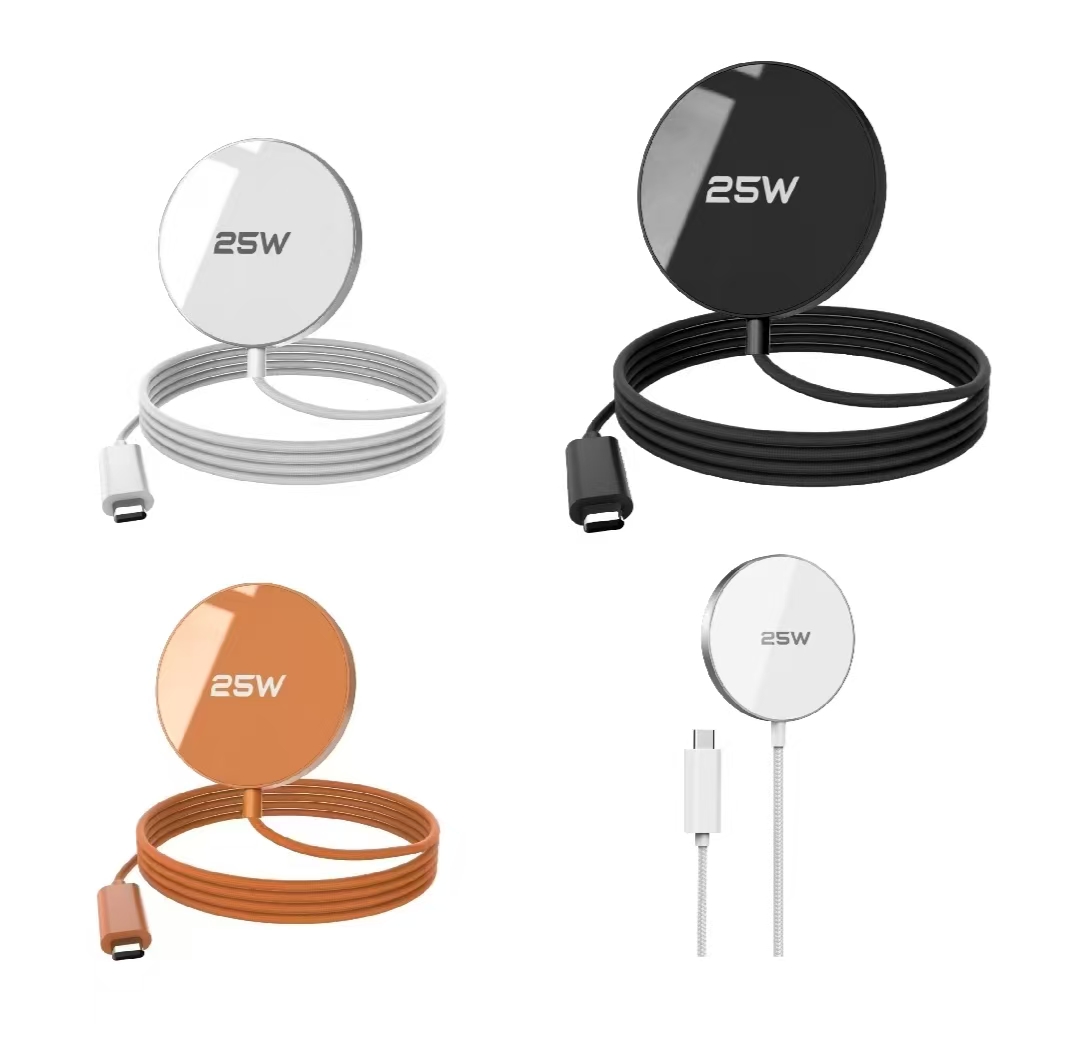
The self-ignition crisis of power banks has escalated. 3C certificates of major battery manufacturers have all been revoked or suspended. Please conduct self-inspections of these products immediately.
author: Nina-
2025-06-30
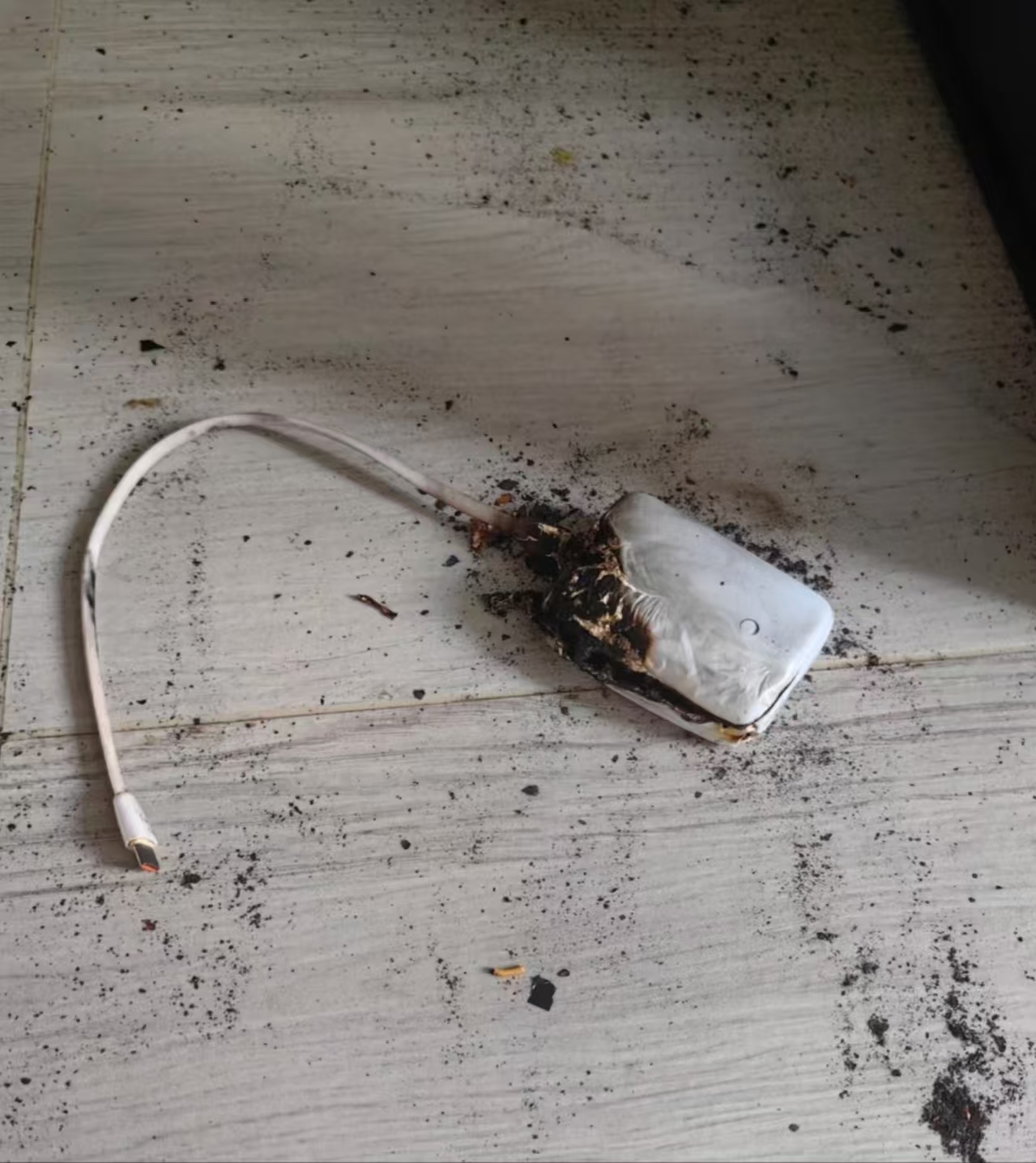
Recently, the power bank industry has been shrouded in safety concerns as a crisis triggered by power bank self-ignition continues to escalate. Amperes (Wuxi) Co., Ltd., a renowned battery supplier, has found itself deeply embroiled in the issue, with all its 3C certificates for batteries/cell cores suspended or revoked, sparking widespread attention within and outside the industry.
ROMOSS and Anker Launch Large-Scale Recalls
ROMOSS, a leading brand in the power bank sector with an annual shipment volume exceeding 50 million units and global market presence, was the first to face the crisis. On June 16, Shenzhen ROMOSS Technology Co., Ltd. filed a recall plan with the Shenzhen Market Supervision Administration in accordance with the Interim Provisions on the Management of Consumer Product Recalls. The recall covers specific ROMOSS-branded power banks manufactured between June 5, 2023, and July 31, 2024, including three models: PAC20-272, PAC20-392, and PLT20A-152, totaling 491,745 units. The recall is due to potential risks from partial cell raw materials under extreme conditions, which may cause overheating in 极少数 (extremely rare) cases, and even combustion in extreme scenarios.
Almost simultaneously, industry giant Anker Innovations was also affected. On June 20, Anker announced the voluntary recall of certain batches of basic-model power banks, approved by the Hunan Market Supervision Department, due to safety risks. The recalled models include A1642, A1647, A1652, A1680, A1681, A1689, and A1257, totaling over 710,000 units. Anker’s quality inspection revealed that certain batches of industry-standard cells from a supplier had unauthorized raw material changes, which could lead to diaphragm insulation failure after long-term cyclic use, potentially causing overheating or even combustion. Media reports indicate that the cells used in Anker’s recalled products were supplied by Amperes.
Additionally, there have been multiple cases of self-ignition in non-recalled power banks during normal use, such as explosions in a Guangxi university library and a fire in a Osaka, Japan guesthouse that caused ¥8,000 in floor damage. These incidents have plummeted consumer trust in power bank safety and laid bare the industry’s hidden risks.
The release of new regulations for power banks
charger market
Related Article
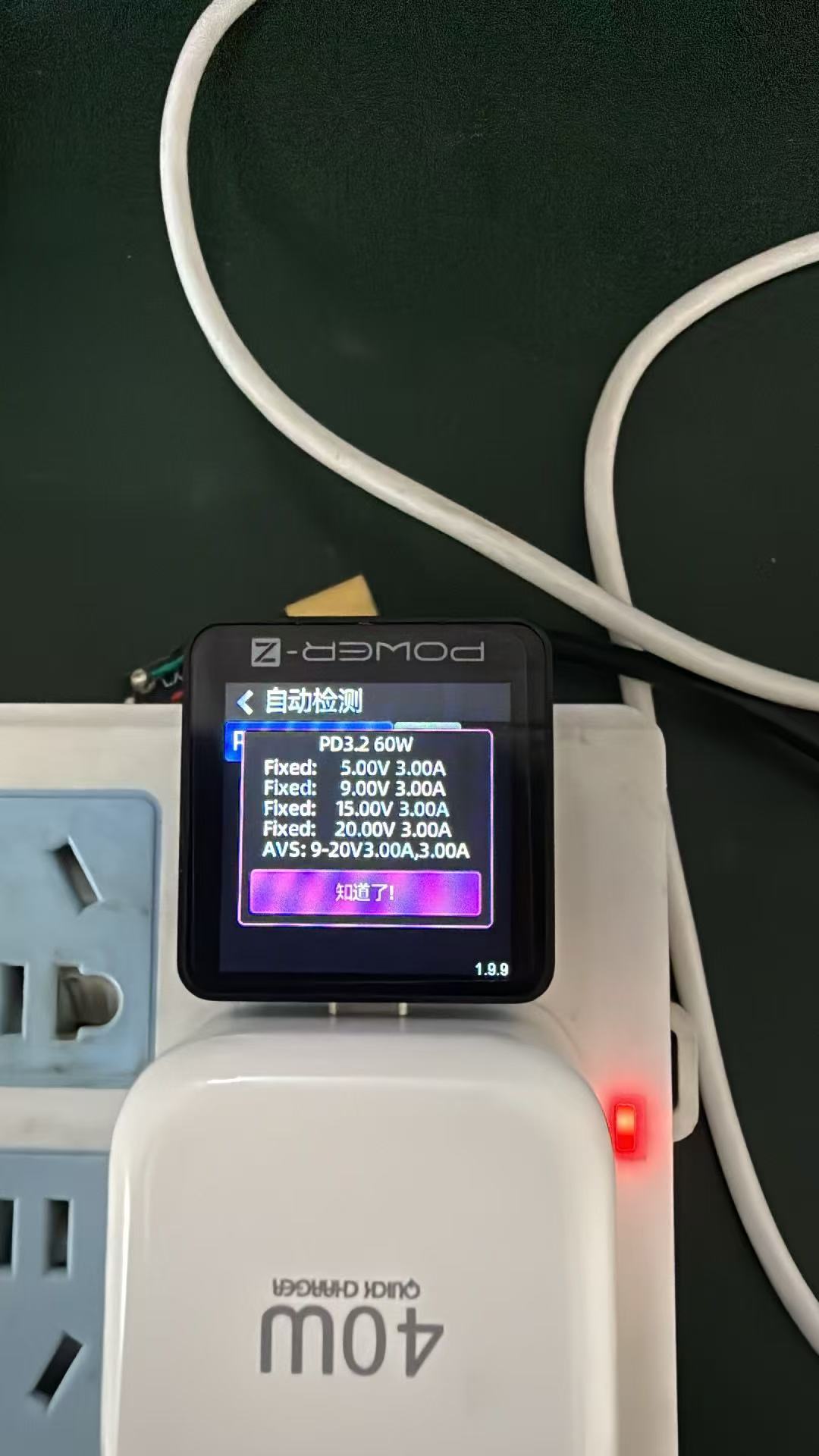
Difference Between AVS and PPS Fast Charging Protocols: B2B Selection & Consumer Usage Guide
Difference Between AVS and PPS Fast Charging Protocols: B2B Selection & Consumer Usage Guide
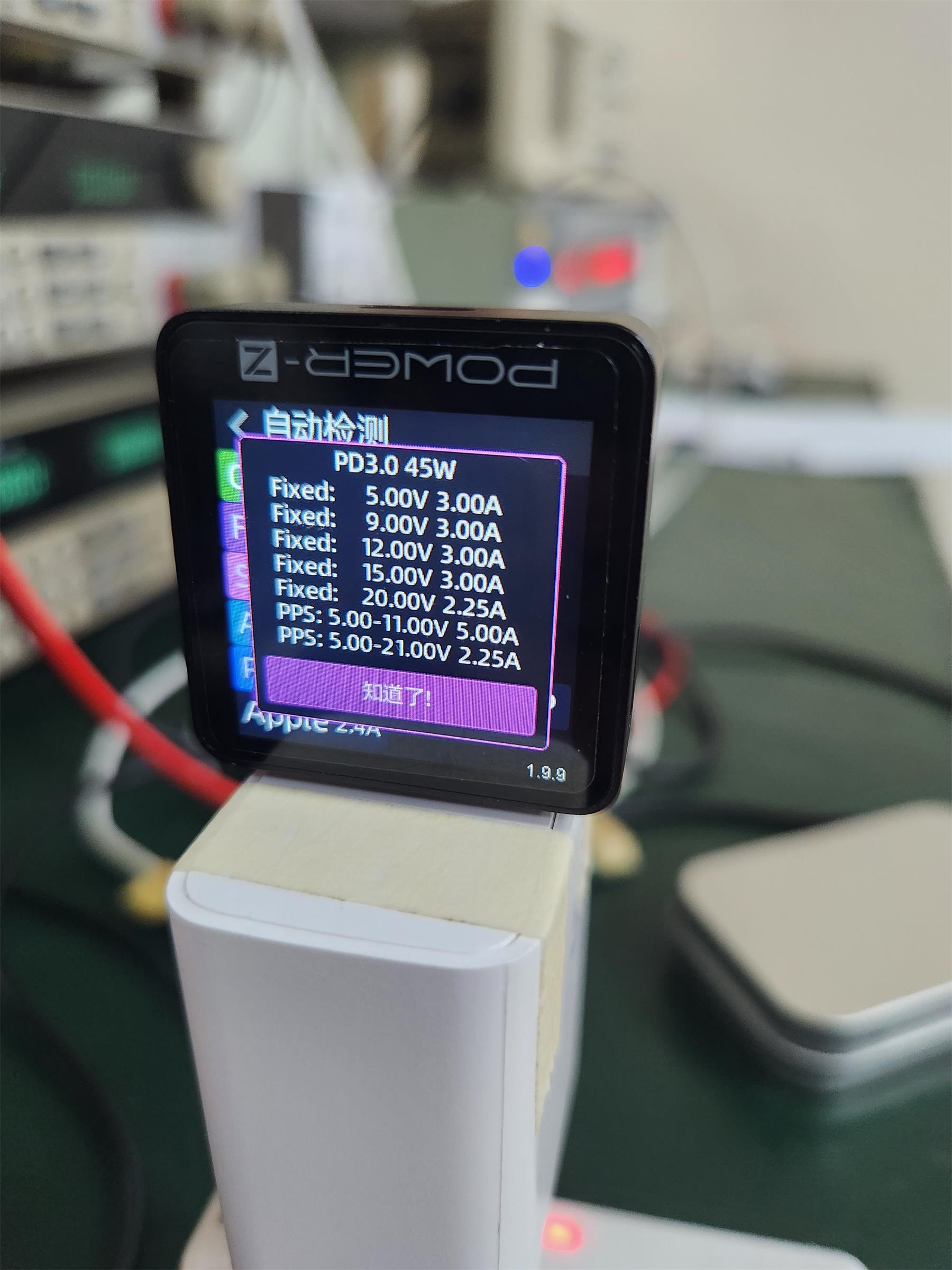
45W non-standard charger PPS protocol test guide: Protocol parameters are for reference only, load tester measurement is the only standard. Clarify the difference between PPS protocol and actual output of 127 model, core reasons and factory test standards, providing authoritative guidance for charger quality inspection and R&D.
45W Non-Standard Charger PPS Testing Specification Protocol Parameters ≠ Actual Output, Load Tester Measurement Is the Standard