charger market
author: Nina
2025-05-19
Foreign trade about charger
News on May 12, 2025:China and the U.S. issued a joint statement announcing a reduction of tariffs exceeding 100% and a 90-day suspension of all additional tariffs. This change directly benefits tariff-sensitive industries such as consumer electronics. Taking Anker Innovations as an example, as the No. 1 brand in North America's consumer electronics market share, the company's price competitiveness for chargers and other products has increased following the tariff reduction. Combined with Amazon's Prime Day promotions, its revenue growth in the second quarter is expected to exceed 30%. According to Wind data, China's consumer electronics exports to the U.S. reached 787.5 billion yuan in 2024. The tariff reduction is expected to increase the industry's overall profit margin by 1.5-2 percentage points, and China's consumer electronics export growth to the U.S. is projected to rebound to 18%-20% in 2025. In the electric vehicle (EV) charging equipment sector, Chinese companies face both opportunities and challenges in the global market. The Asia-Pacific region accounts for 60% of the world's largest EV charging equipment market, followed by Europe (23%) and North America (17%). U.S. tariff policies previously posed challenges such as surging export costs for Chinese EV charging equipment enterprises, forcing them to restructure their global supply chains. However, the restructuring of international trade rules and the rise of digital trade have created new opportunities. Companies can adopt strategies such as expanding into emerging markets and developing differentiated products to shift from a "cost-dependent export model" to a new global paradigm driven by technology and brand dual engines.
The self-ignition crisis of power banks has escalated. 3C certificates of major battery manufacturers have all been revoked or suspended. Please conduct self-inspections of these products immediately.
Cross-border Giants Under Investigation: Opportunity Knocks for Small Sellers, but Charger Industry Risks Falling Behind if Compliance Is Ignored
Related Article
Difference Between AVS and PPS Fast Charging Protocols: B2B Selection & Consumer Usage Guide
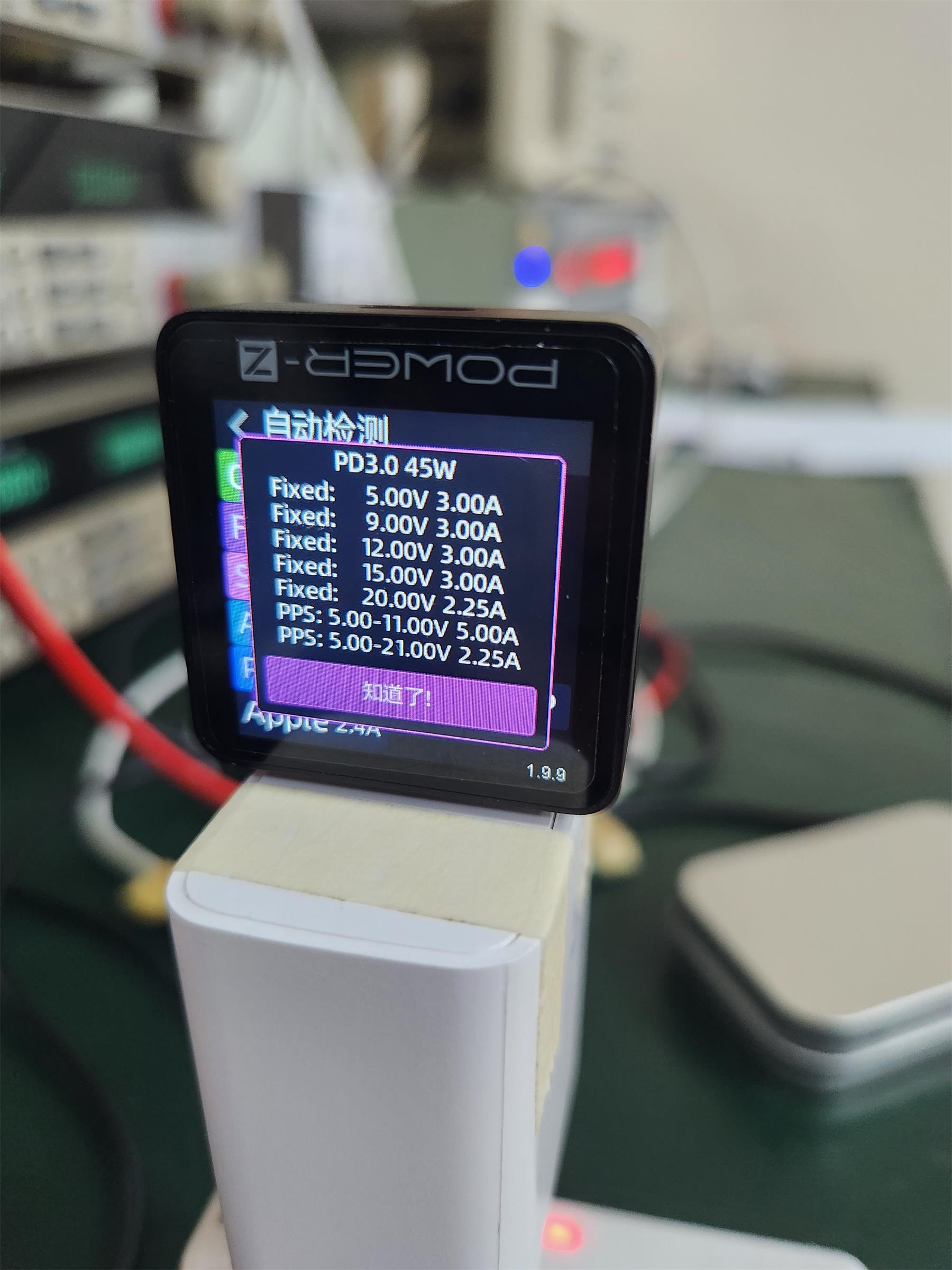
45W non-standard charger PPS protocol test guide: Protocol parameters are for reference only, load tester measurement is the only standard. Clarify the difference between PPS protocol and actual output of 127 model, core reasons and factory test standards, providing authoritative guidance for charger quality inspection and R&D.
45W Non-Standard Charger PPS Testing Specification Protocol Parameters ≠ Actual Output, Load Tester Measurement Is the Standard